SK Hynix's $30B U.S. Listing: What It Means for Micron Investors
SK Hynix's potential U.S. listing could expand memory-chip investment options while also spotlighting competitive pressures facing Micron.
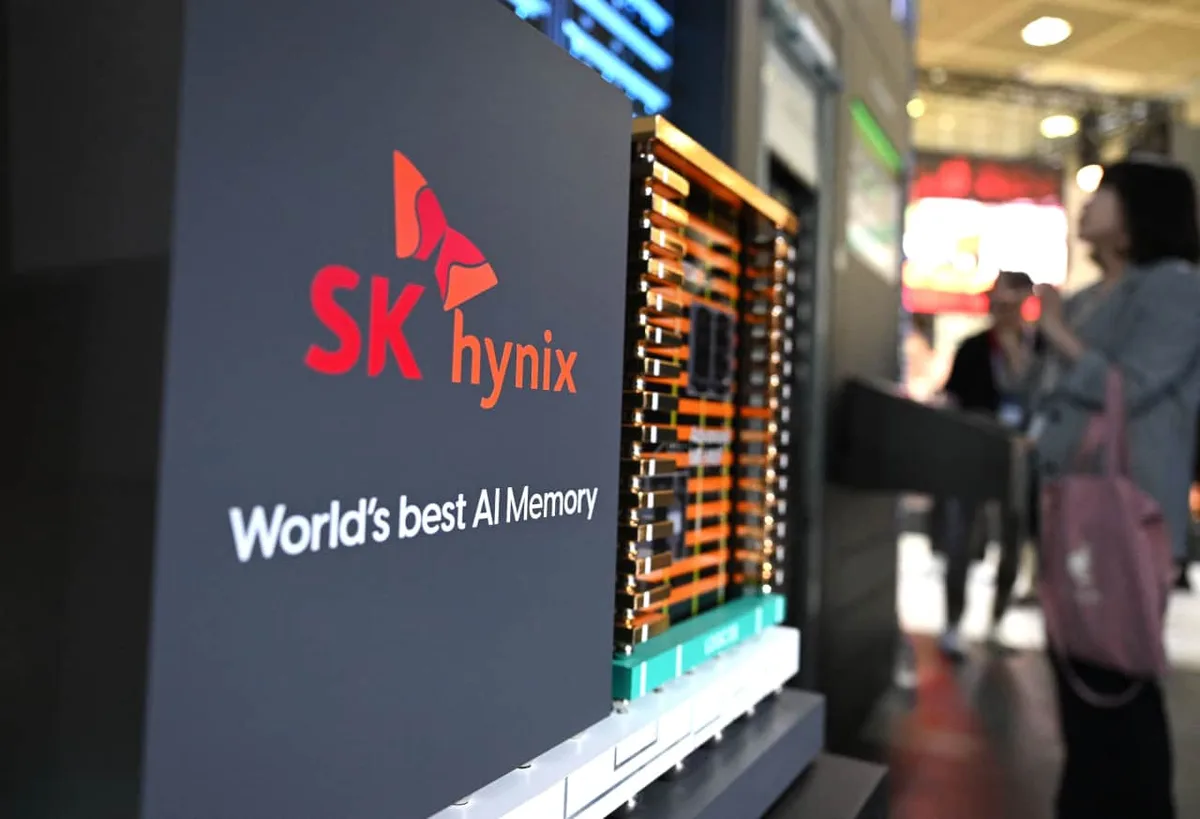
The global memory chip industry may be approaching a significant structural moment. SK Hynix, South Korea's dominant memory manufacturer and one of the world's leading producers of high-bandwidth memory critical to AI infrastructure, is weighing a U.S. stock market listing valued at roughly $30 billion. For American investors who have largely relied on Micron Technology as their primary publicly traded gateway into the memory sector, the development carries real implications — both promising and cautionary.
On the opportunity side, a U.S.-listed SK Hynix would give retail and institutional investors a direct stake in a company that competes at the highest tier of DRAM and NAND flash production alongside Micron and Samsung. Portfolio diversification within the memory space — long dominated by a tight oligopoly — has been functionally impossible for domestic U.S. investors without venturing into foreign exchanges. A listing would close that gap, potentially drawing capital that currently flows exclusively toward Micron.
Read more Xiao-I Stock Drops 13% After Chinese Court Rules for Apple in Siri Patent Case →
The competitive dimension, however, cuts the other way for Micron shareholders. Greater visibility into SK Hynix's financials, growth trajectory, and market positioning could sharpen investor scrutiny of the entire sector's cyclical dynamics — the notorious boom-and-bust pricing swings that define memory markets. If SK Hynix trades at a premium valuation on U.S. exchanges, it could either lift sentiment across the sector or, alternatively, invite unflattering comparisons that weigh on Micron's multiple.
The analytical tension here is worth sitting with. Memory chips are not a commodity in the traditional sense — technological differentiation, particularly in high-bandwidth memory for AI accelerators, creates genuine moats. But the sector's history of oversupply and price collapse means that broader investor awareness, while potentially bullish in the short term, also invites more sophisticated scrutiny of cyclical risk. For Micron, a newly listed peer could be either a rising tide or a more precise measuring stick — and the difference may depend heavily on where the memory cycle stands at the time of any debut.
Continue reading at MarketWatch.com