S&P 500's Top 20 Stocks in First Half of 2026: Chip Makers Lead
Semiconductor and computer-hardware companies dominated S&P 500 performance in the first half of 2026, reflecting sustained investor appetite for AI-driven tech.
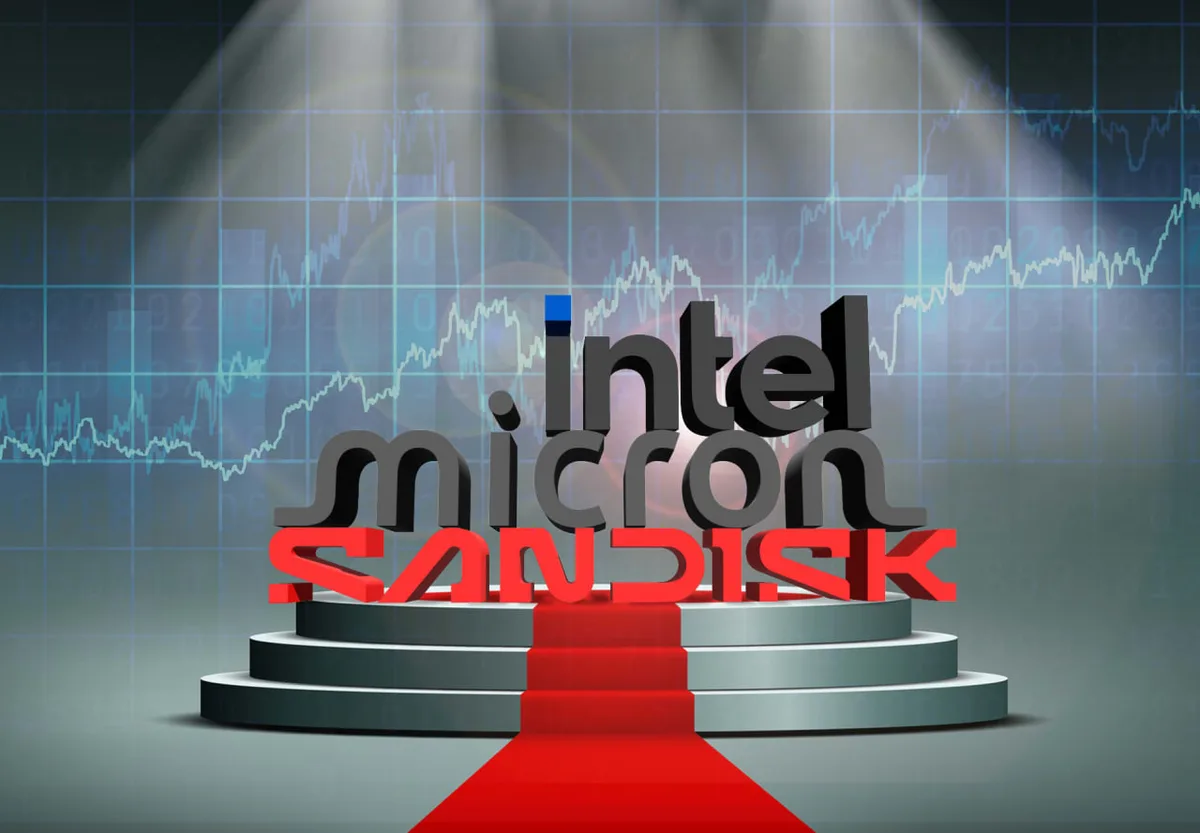
The first half of 2026 belonged, once again, to the companies building the physical backbone of artificial intelligence. According to MarketWatch, semiconductor and computer-hardware manufacturers claimed the majority of spots among the S&P 500's 20 best-performing stocks through the midpoint of the year — a signal that Wall Street's conviction in AI infrastructure spending has not meaningfully cooled.
The concentration of chip and hardware names at the top of the leaderboard underscores a broader market dynamic: investors continue to reward companies positioned closest to the capital expenditure cycle driving AI build-out. Data centers, accelerated computing chips, and the networking hardware connecting them have become the preferred expression of that thesis, with institutional money flowing toward firms that can demonstrate revenue tied directly to that spending wave.
Read more Magnificent Seven Stocks Lose $2.3 Trillion in June Amid AI Spending Doubts →
What makes the pattern analytically notable is its persistence. The dominance of semiconductor stocks at mid-year suggests the sector has moved beyond the "hype" phase that critics flagged in 2023 and 2024 — transitioning instead into a period where earnings results are increasingly validating elevated valuations. When hardware names lead a broad index like the S&P 500 for an extended stretch, it typically reflects genuine demand rather than speculative rotation.
The risk embedded in such concentration is equally worth noting. A leaderboard this heavily tilted toward a single industrial theme means that any disruption — whether from export controls, a slowdown in hyperscaler capital spending, or a demand disappointment from a major chip buyer — could rapidly reprice the entire cohort. Diversified investors watching sector weights in passive funds may find their exposure to these names larger than they realize.
Continue reading at MarketWatch.com