Rivian Stock Drops 18% as New Share Sale Raises Cash Concerns
Rivian's equity offering triggered its steepest single-day decline in nearly two years, deepening investor worry about the EV maker's financial runway.
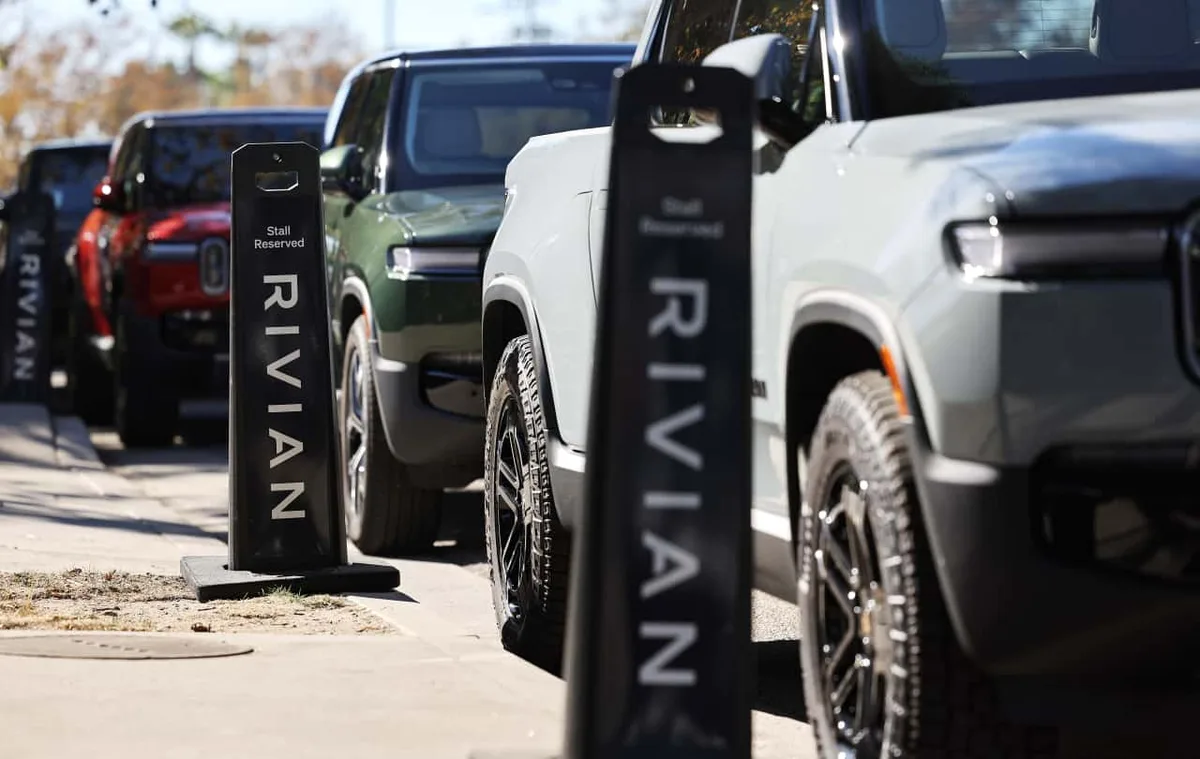
Rivian Automotive shares tumbled roughly 18% after the electric vehicle manufacturer announced a new stock sale, marking the company's worst single-session rout in nearly two years. The sharp selloff reflects a familiar anxiety that shadows capital-intensive startups: the moment a company turns to dilutive equity financing, markets treat it as a distress signal rather than a strategic move.
For Rivian, the timing is particularly sensitive. The EV industry broadly is navigating a demand slowdown, margin pressure from price competition — much of it driven by Tesla — and the stubborn reality that building trucks and SUVs at scale requires enormous upfront capital. A stock sale in that environment tells investors that internal cash generation is not yet sufficient to fund operations, which is precisely what Wall Street fears.
Read more Dell's Cash Flow Advantage Most Investors Overlook →
Dilution is only part of the story. When a young automaker issues new shares, it also implicitly signals that management does not believe the stock is overvalued — otherwise, cheaper forms of capital would be preferable. That combination of dilution and implied valuation pessimism can trigger outsized selling, particularly among momentum-driven investors who had already been watching Rivian's cash burn closely.
The 18% decline in a single session is a stark reminder of how little margin for error exists for pre-profitability EV companies. Unlike legacy automakers that can weather a rough quarter on decades of retained earnings and credit relationships, Rivian's financial credibility rests almost entirely on its ability to demonstrate a credible path to self-sufficiency — a path that another equity raise makes look longer, not shorter.
Continue reading at MarketWatch.com