Polymarket-Backed Startup Raises $1.5M to Fight Prediction Market Fraud
A platform backed by Polymarket secured $1.5 million in new funding to develop tools that detect suspicious and insider trading activity on prediction markets.
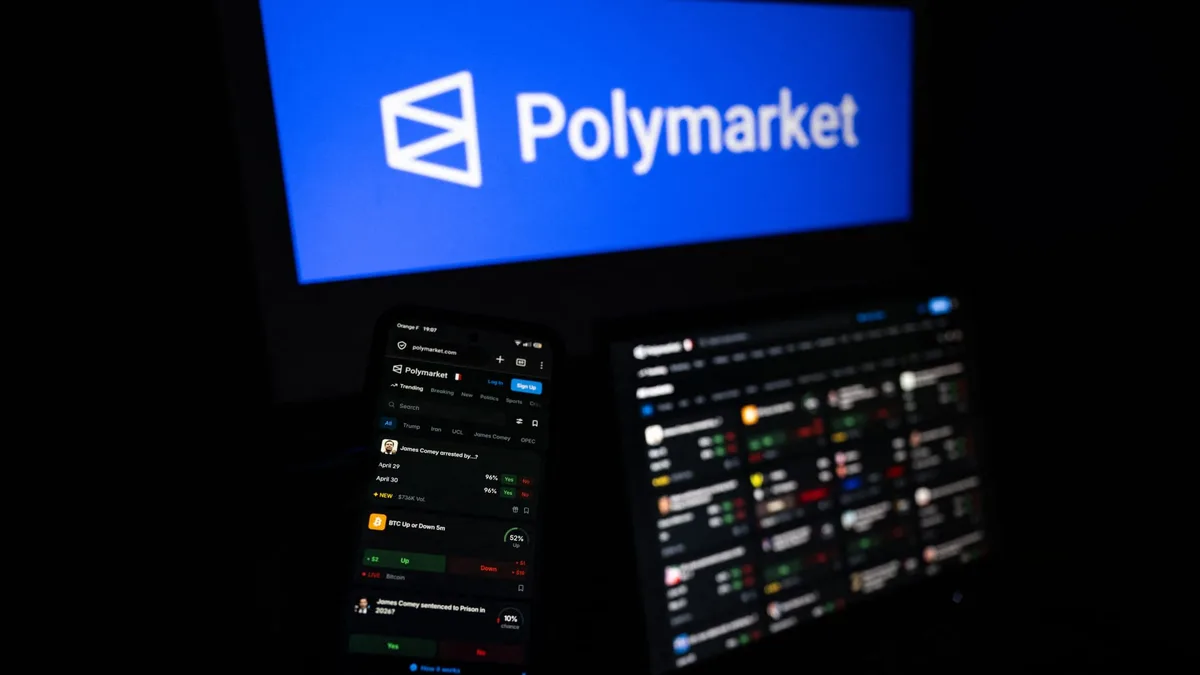
Prediction markets have surged in mainstream visibility over the past two years, drawing retail traders, institutional players, and political bettors alike — but their rapid growth has also exposed a persistent vulnerability: the potential for insider trading and market manipulation that goes largely undetected. A Polymarket-backed platform is now moving to address that gap directly, announcing a $1.5 million funding round aimed at building surveillance and detection tools specifically designed for the prediction market ecosystem.
The raise signals growing institutional recognition that prediction markets, if they are to mature into legitimate financial instruments, will need the kind of integrity infrastructure that traditional exchanges have developed over decades. Unlike regulated stock markets, where the SEC and FINRA actively monitor for suspicious order flow, prediction markets have historically operated with minimal oversight mechanisms — making them attractive venues for those with non-public information to profit quietly.
Read more Xiao-I Stock Drops 13% After Chinese Court Rules for Apple in Siri Patent Case →
Polymarket itself became a household name during the 2024 U.S. election cycle, when its odds on Donald Trump's victory drew widespread media coverage and scrutiny, including questions about whether large, well-timed wagers reflected genuine forecasting or something more troubling. The backing of this new detection-focused platform suggests Polymarket is aware of the reputational and regulatory risks that unaddressed manipulation poses to the broader industry it helped popularize.
The $1.5 million in fresh capital is a relatively modest sum by venture standards, but in the context of a nascent compliance niche, it represents a meaningful bet that prediction markets will need purpose-built watchdog technology rather than retrofitted traditional tools. Whether regulators will eventually mandate such systems — or whether market participants will adopt them voluntarily — remains an open and consequential question for the sector's long-term credibility.
Continue reading at CNBC.