Pizza Hut's Decline: How a Fast-Food Icon Lost Its Edge
Once a dominant force in American dining, Pizza Hut is now the subject of a private-equity buyout as analysts question what went wrong.
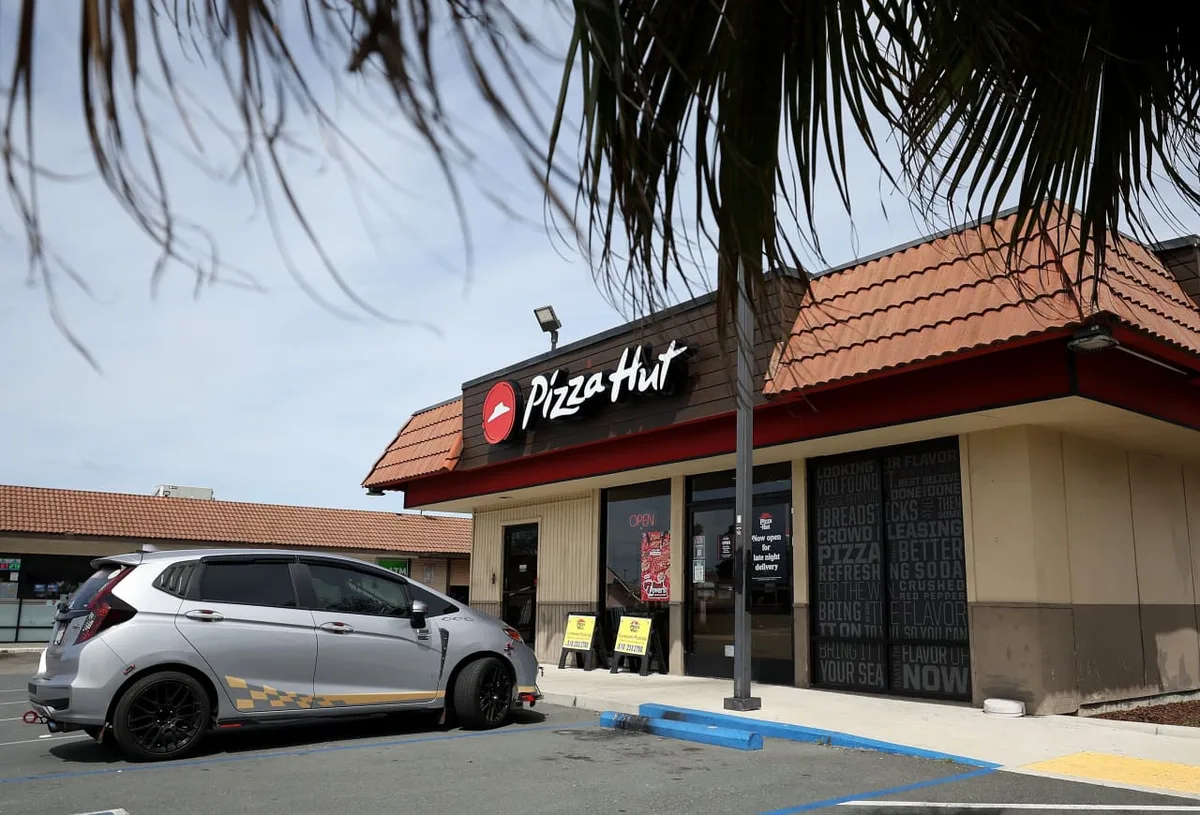
Pizza Hut built its reputation on moments of genuine innovation — the stuffed crust launch of the 1990s being perhaps the most iconic — but the chain has struggled for decades to find a follow-up act that resonates with modern consumers. A recently announced private-equity buyout has thrown that long, slow fade into sharp relief, prompting industry watchers to ask how one of America's most recognizable fast-food brands arrived at this juncture.
The central diagnosis, as one analyst put it bluntly, is that Pizza Hut "struggled to figure out what the next big thing was." That kind of innovation stagnation is particularly punishing in the intensely competitive pizza category, where rivals like Domino's have made aggressive, technology-driven pivots — leaning into digital ordering, loyalty programs, and delivery logistics — while Pizza Hut appeared to lose strategic focus.
Read more Apple Pushes Past iPhone Upgrades With Long-Term Vision →
The private-equity buyout represents a familiar playbook for distressed consumer brands: new ownership comes in promising operational efficiency and a refreshed identity, betting that underlying brand recognition still carries enough value to justify the turnaround attempt. Whether that bet pays off depends largely on whether new management can identify the kind of product or experience innovation that Pizza Hut has conspicuously lacked in recent years.
What makes Pizza Hut's trajectory particularly instructive is how quickly brand equity can erode when a company fails to evolve its core proposition. The chain once commanded cultural relevance — it was the place for birthday parties, Book It rewards, and family dinners — but nostalgia alone rarely translates into sustained foot traffic or digital orders in an era where consumer attention is fragmented and delivery options are virtually limitless.
For private-equity firms eyeing struggling restaurant chains, Pizza Hut is both a cautionary tale and a speculative opportunity. The brand's global footprint and name recognition give any new owner something to work with, but engineering a genuine comeback will require more than cost-cutting — it will demand the kind of bold product thinking that once made stuffed crust a cultural moment. Continue reading at MarketWatch.com