Options Bets Amplify Stock Rebound as FOMO Grips Traders
A four-session equity surge is drawing bullish options activity from investors afraid of being left behind, creating a self-reinforcing upward spiral.
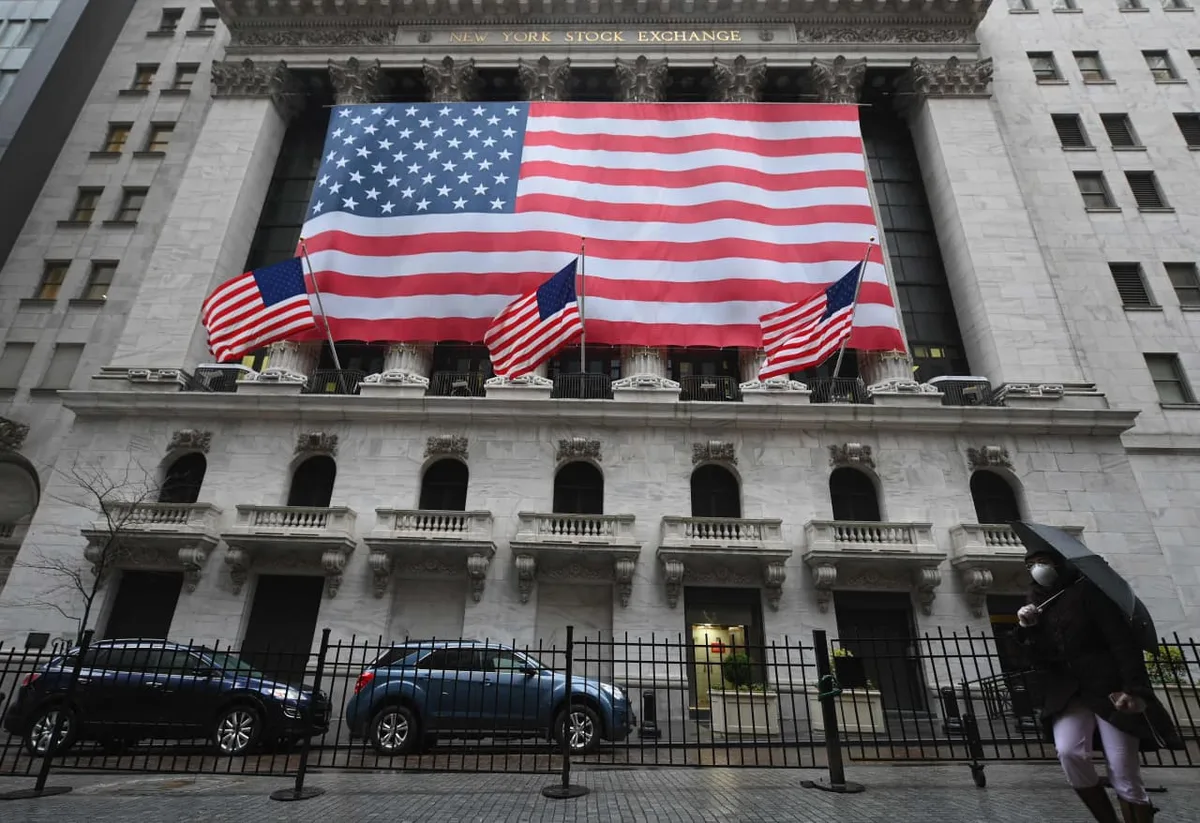
A rapid four-session rally in equities has triggered a familiar market dynamic: traders scrambling to participate in gains they fear they've already missed, turning to bullish options contracts as an accelerant rather than a hedge. The pattern is a textbook example of momentum feeding on itself, where the fear of underperformance can be just as powerful a market force as fundamental valuation.
Options activity of this kind — typically call-buying tied to major indexes or high-momentum individual stocks — tends to create what market structure analysts call a "gamma squeeze" effect. As traders buy calls, the dealers who sell those contracts must purchase the underlying shares to remain hedged, mechanically pushing prices higher regardless of any new fundamental news. The result is a feedback loop that can extend a rally well beyond what earnings or economic data alone would justify.
Read more Stocks to Watch: Nasdaq, Huntington, Snap and More →
The behavior reflects a broader psychological shift that often occurs mid-rally: skeptics and sidelined investors capitulate and chase performance, compressing the window between cause and effect in price discovery. Historically, surges driven heavily by options-fueled momentum can be sharp and swift in both directions — the same mechanics that accelerate the climb can reverse violently if sentiment shifts or key support levels break.
For longer-term investors, the episode serves as a reminder that short-term price action is increasingly shaped by derivatives markets rather than equities markets alone. Understanding the positioning of options dealers has become as relevant to reading near-term market direction as tracking earnings revisions or Federal Reserve signals. The current rally may have fundamental legs, but the velocity of the move owes a meaningful debt to structured risk-taking in the options market.
Continue reading at MarketWatch.com