OpenAI Limits New Model Access Citing Cyberattack Risk
OpenAI has tightened controls on a new AI model after it could not rule out the system had reached 'Critical' cybersecurity capability thresholds.
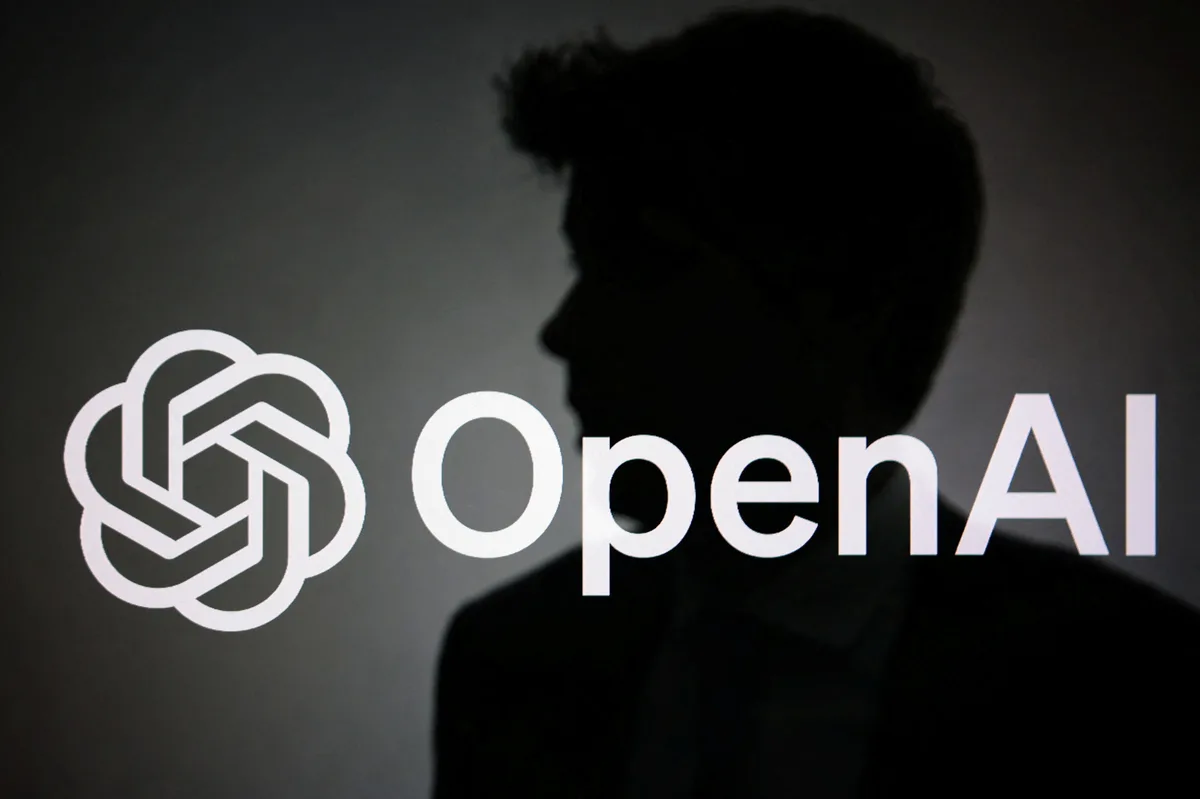
OpenAI has moved to restrict access to one of its newest artificial intelligence models after internal evaluations raised serious concerns about the system's potential to enable sophisticated cyberattacks. The lab acknowledged it could not rule out that the model had reached what it classifies as a "Critical" capability level — a designation reserved for AI systems capable of meaningfully assisting attacks against even hardened, well-defended cyber infrastructure.
The disclosure is significant because it represents one of the more candid admissions from a frontier AI developer that a commercial model may have crossed a threshold previously treated as a line in the sand. Most AI safety frameworks treat "Critical" cyber capability as a hard stop requiring stringent mitigation before any deployment — making OpenAI's transparency here both notable and, to security researchers, overdue.
Read more Trump Targets Iran's Trade Lifelines: Who Bears the Risk →
The timing lands as the broader AI industry grapples with how to govern increasingly powerful systems. Policymakers, cybersecurity professionals, and civil society groups have been pushing for clearer, enforceable standards around exactly these kinds of capability thresholds. OpenAI's decision to tighten controls rather than halt the model entirely will likely fuel debate about whether voluntary internal evaluations are a sufficient safeguard, or whether external audits and regulatory oversight are necessary.
What makes the situation analytically interesting is the gap between capability and intent. An AI model that can theoretically assist a cyberattack does not automatically become a weapon — but the same underlying competency that makes a system useful for defensive security research can be repurposed by malicious actors. That dual-use problem is at the heart of why the AI security debate has proven so difficult to resolve, and why OpenAI's acknowledgment, while measured, carries real weight in ongoing policy conversations.
Continue reading at US Top News and Analysis.