Oil Surges, Stocks Slide as Trump Blockades Iran and Eyes Hormuz Toll
Trump announced a full naval blockade of Iran and a 20% shipping toll on the Strait of Hormuz, sending oil nearly 10% higher and rattling equity markets.
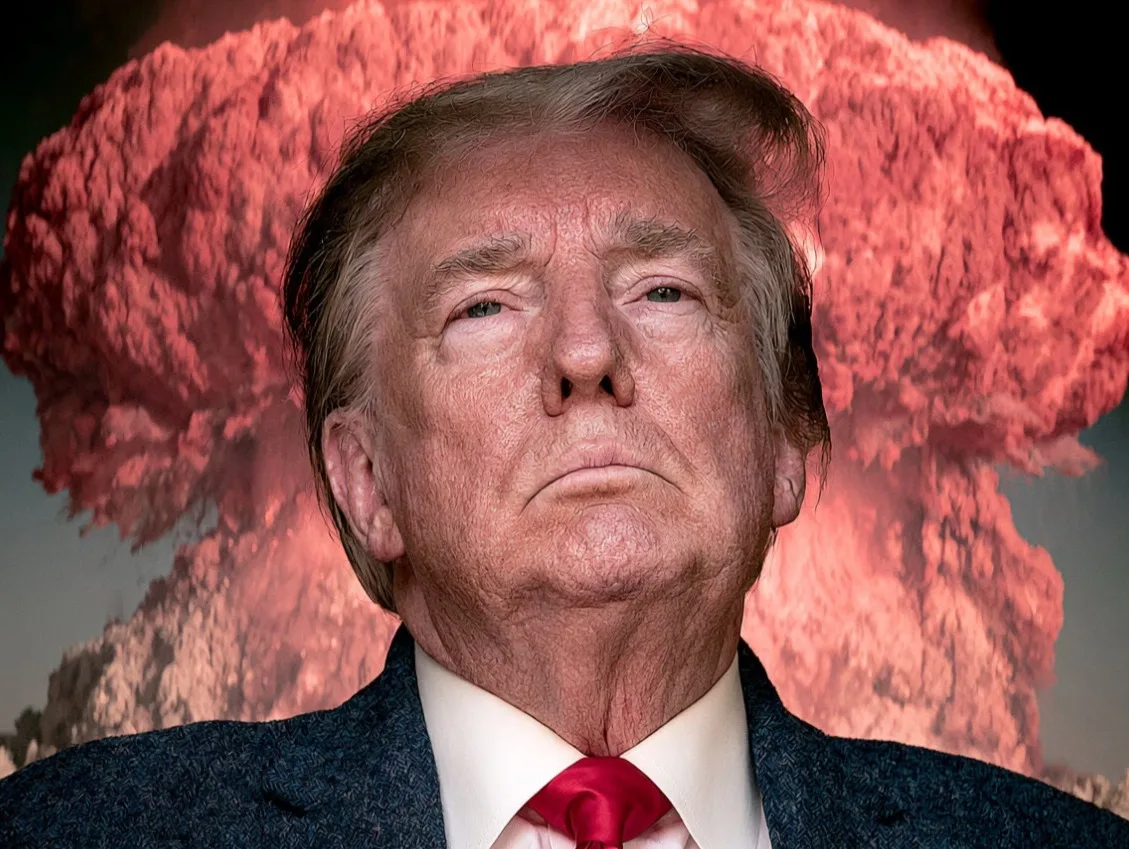
Markets ended Wednesday at sharp extremes after President Trump announced a total US naval blockade of Iran and declared a 20% toll on all commercial cargo transiting the Strait of Hormuz — a waterway through which a significant share of global oil passes. The moves sent WTI crude surging nearly $6.25 to $77.64 a barrel, a gain of roughly 9% intraday before a modest late pullback. Equities absorbed the blow poorly, with the S&P 500 falling 0.8% and the Nasdaq dropping 1.7%, while semiconductor names bore particular pain — Micron shed nearly 5% and Intel fell close to 7%.
The Hormuz toll is the more provocative wrinkle. A unilateral levy on international shipping through a globally critical chokepoint has no clear legal precedent and is unlikely to win allies among trading partners already sensitive to US economic nationalism. Trump indicated he would address the nation Thursday evening, suggesting the administration may be laying groundwork for a more sustained military and economic campaign against Tehran. Fresh US strikes reportedly targeted commercial vessels, echoing the escalatory pattern seen in April.
Read more TSMC Posts 68% Revenue Surge in June Ahead of Q2 Earnings →
Compounding the market stress, Federal Reserve Governor Christopher Waller delivered remarks that completed what traders described as a full pivot away from his earlier dovish posture. Waller said his prior concerns about labor market softness were misplaced and flagged Tuesday's core inflation print as potentially decisive: if the data comes in hot, he argued, the FOMC should consider tightening in the near term. Markets responded by pricing a 40% probability of a rate hike at the July 29 meeting — a dramatic reassessment in a single session.
Treasury markets underscored the shift. Two-year yields climbed 5.7 basis points to 4.26%, touching their highest level since February 2025, before the Fed had embarked on its three-cut easing cycle. The long end sold off as well, with 10-year yields rising on growing conviction that inflation may be re-entrenching. The dollar strengthened broadly, with the Australian dollar the session's weakest performer and USD/JPY pressing toward 162.50 before stalling under the shadow of Japanese intervention risk.
The day's most telling signal may be purely technical: multiple asset classes — currencies, equities, and bonds — all closed near the worst levels of the session, a pattern that historically reflects unresolved fear rather than orderly repositioning. With bank earnings due Thursday and a pivotal inflation reading imminent, the pressure on markets to find equilibrium is acute. Continue reading at Forexlive.