Oil Prices Climb After U.S. Revokes Iran Oil Sales License
Crude futures rose Tuesday night as the Treasury canceled Iran's oil sales license and U.S. military strikes on Iran began.
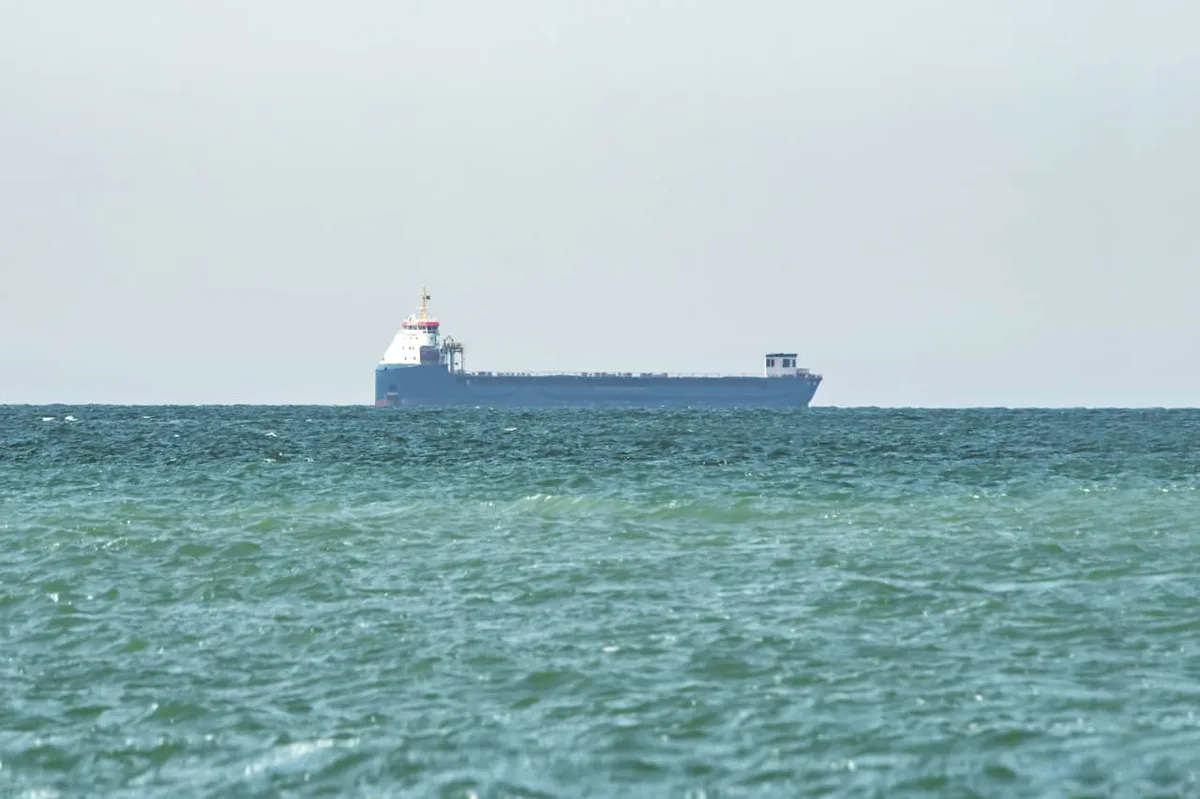
Oil markets moved sharply higher late Tuesday evening following a pair of significant U.S. policy actions directed at Iran: the Treasury Department's revocation of a recently granted oil sales license and the launch of American military strikes against the country. The combination of tightening supply signals and heightened geopolitical risk proved to be an immediate catalyst for crude futures.
The Treasury had originally issued the license on June 21, giving Iran a narrow legal pathway to sell its oil — an arrangement that lasted only days before Washington reversed course. The abrupt cancellation signals a harder line on Iranian energy exports, effectively shrinking the pool of sanctioned oil that could reach global markets. For traders, fewer available barrels from a major producer are a textbook bullish signal.
Read more Dell's Cash Flow Advantage Most Investors Overlook →
The military dimension amplifies that pressure considerably. When conflict risk enters an oil-producing region, markets historically price in the possibility of supply disruptions even before any physical infrastructure is affected. Iran sits along the Strait of Hormuz, one of the world's most critical energy chokepoints, making any escalation there a concern well beyond Iranian barrels alone.
Analysts watching this situation will note how quickly Washington pivoted from diplomatic engagement — implicit in granting a sales license — to outright military action. That whipsaw creates deep uncertainty for energy markets, which generally price stability. Whether crude prices sustain these gains will depend heavily on how the conflict develops and whether other major producers move to fill any resulting supply gap.
Continue reading at MarketWatch.com