Nvidia's Robotics Bet and the Smarter Way to Play It
Jensen Huang sees humanoid robots as a multitrillion-dollar opportunity. Savvy investors may find indirect plays more compelling than the obvious ones.
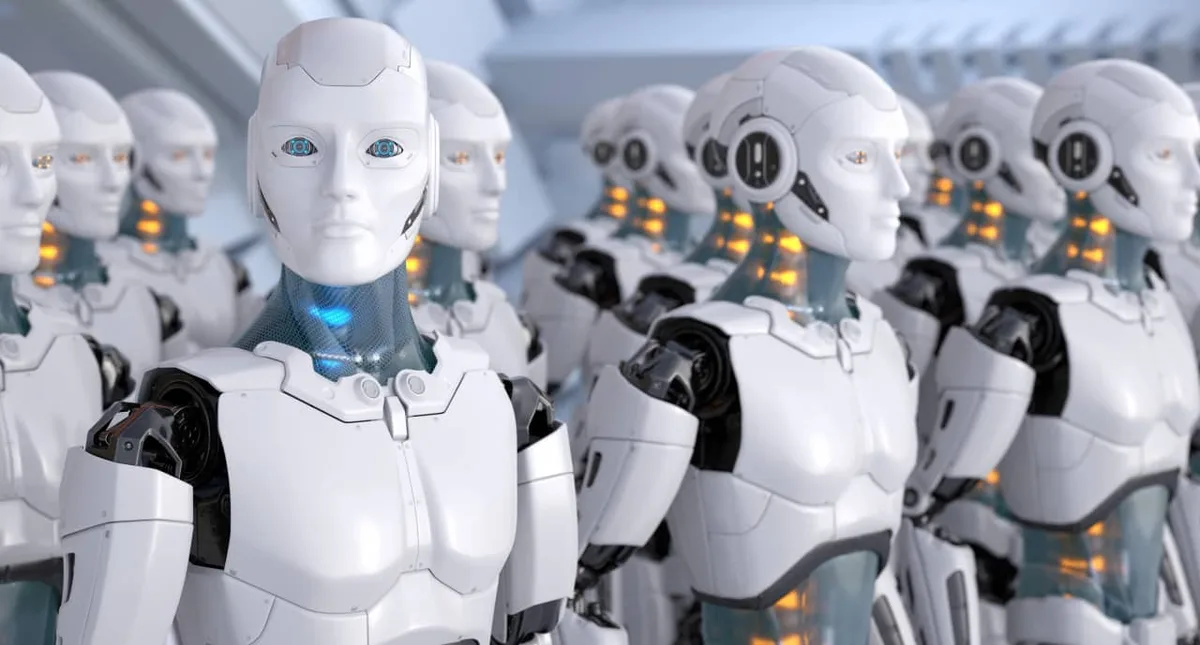
Nvidia CEO Jensen Huang has positioned his company at the center of what he describes as a "multitrillion-dollar economic opportunity" in humanoid robotics — a bold declaration that signals where Nvidia sees its next phase of growth extending well beyond data center chips and artificial intelligence infrastructure.
The robotics thesis is not simply about machines that walk and talk. It encompasses the entire computational stack required to train, simulate, and deploy autonomous physical systems — from the software frameworks that model real-world environments to the specialized silicon that processes sensory data in real time. Nvidia's existing platforms, including its Isaac robotics software suite and its Omniverse simulation environment, already position the company as a foundational layer for this emerging industry rather than merely a hardware supplier.
Read more Meta's Cloud Ambitions Could Resolve Its AI Spending Dilemma →
For investors, the most obvious trade — buying Nvidia directly — carries the weight of an already elevated valuation that has priced in substantial future growth. The more nuanced approach, as MarketWatch explores, involves identifying the less-visible beneficiaries of the robotics supply chain: component makers, sensor manufacturers, and software enablers whose valuations may not yet fully reflect their exposure to the same secular trend Huang is describing.
The strategic logic mirrors how sophisticated investors approached the early cloud computing boom — buying the infrastructure picks-and-shovels rather than the headline platform names trading at peak multiples. Whether humanoid robotics scales as rapidly as Huang envisions remains an open question, but Nvidia's willingness to stake its product roadmap on that outcome lends the thesis considerable credibility. The company's track record of identifying and enabling transformative compute cycles — from gaming to AI — gives its robotics conviction unusual weight in the market.
Continue reading at MarketWatch.com