Nvidia's Next AI Rack System Pushed to 2028 Amid Manufacturing Hurdles
SemiAnalysis reports Nvidia's next-gen AI rack system faces delays to 2028, raising questions about the company's aggressive annual release pace.
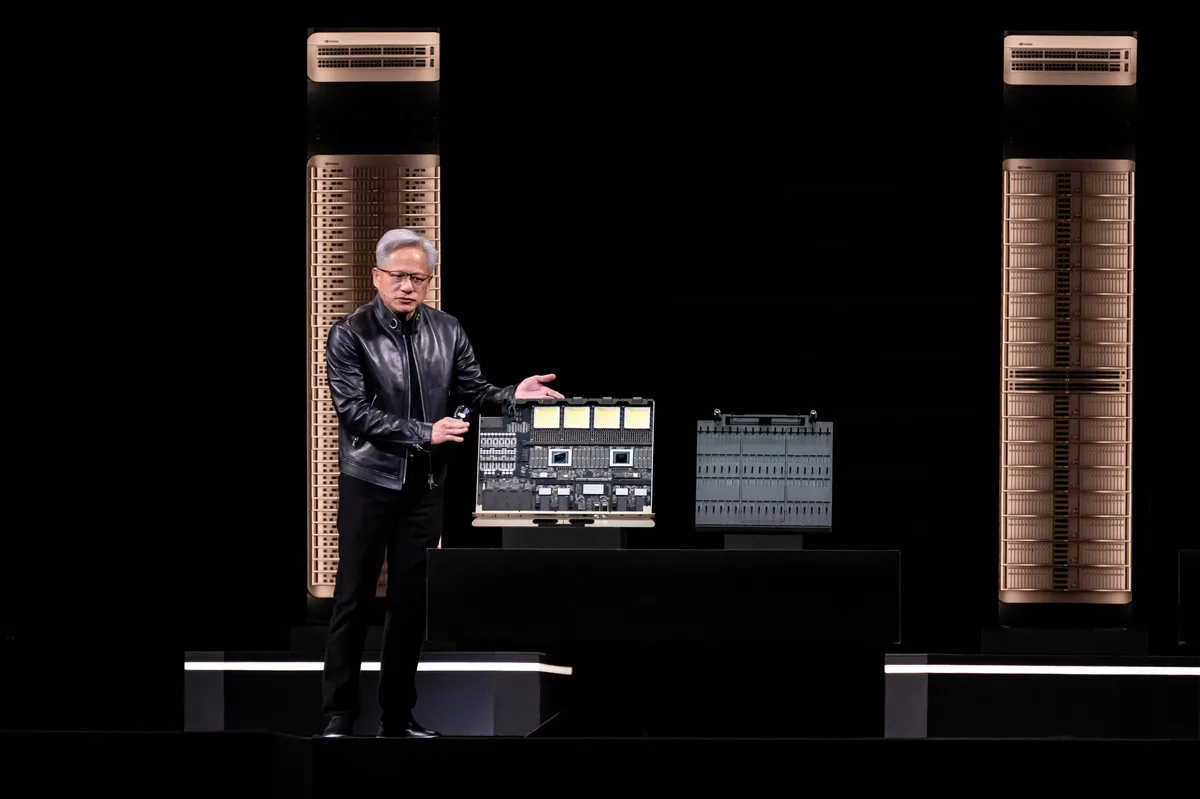
Nvidia's ambitions to maintain a relentless annual cadence of AI hardware upgrades are running into a wall of real-world manufacturing constraints, according to research firm SemiAnalysis. The firm reports that Nvidia's next-generation AI rack system has been pushed back to 2028, a delay that carries significant implications for both the company's competitive positioning and the broader AI infrastructure buildout that hyperscalers and enterprises depend on.
The reported setback is notable precisely because Nvidia has staked much of its market dominance on the promise of predictable, rapid hardware generational leaps. When customers plan billion-dollar data center investments around an expected release cadence, slippage of even several months can ripple through procurement pipelines, capital expenditure forecasts, and competitive dynamics — particularly as rivals like AMD and custom silicon efforts from Google, Amazon, and Microsoft continue to mature.
Read more US Equity Indexes Climb as Tech Sector Leads Intraday Gains →
Manufacturing complexity at the cutting edge of semiconductor and systems integration has long been an underappreciated bottleneck. Advanced AI rack systems are not simply chips — they involve intricate co-packaging, high-bandwidth memory stacks, liquid cooling architecture, and custom networking components that must all align in production simultaneously. Any single failure point in that supply chain can cascade into meaningful delays, and the industry is increasingly operating near the frontier of what advanced packaging and fab capacity can reliably deliver on schedule.
While Nvidia has not publicly confirmed the reported delay, the SemiAnalysis findings add to a growing conversation in the analyst community about whether the semiconductor industry's ambitions are outpacing its manufacturing infrastructure. For investors and enterprise buyers alike, the central question is how a delay of this magnitude affects Nvidia's revenue trajectory and whether competitors can capitalize on any window that opens. The company's ability to manage expectations and communicate a revised roadmap transparently will be closely watched.
Continue reading at US Top News and Analysis.