New York City Rent Board Freezes Rents on 1 Million Apartments
NYC's rent guidelines board voted to freeze rents on roughly one million stabilized apartments, offering relief to tenants amid ongoing affordability pressures.
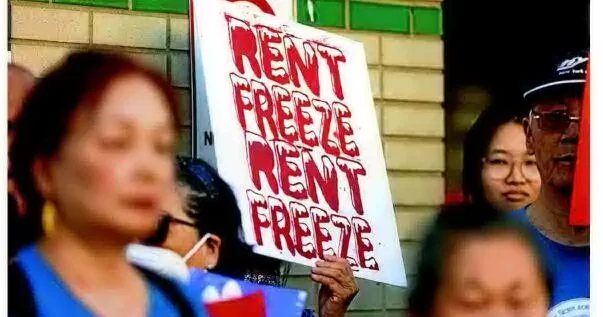
New York City's rent guidelines board has voted to freeze rents across approximately one million rent-stabilized apartments, a decision that marks a significant moment in the city's long-running battle over housing affordability. The move provides immediate financial relief to a large share of the city's renting population, which has faced mounting cost pressures in recent years as inflation and tight housing supply pushed market-rate rents sharply higher.
Rent-stabilized units represent a critical segment of New York City's housing stock, functioning as a de facto affordability backstop for working- and middle-class residents who might otherwise be priced out of neighborhoods they have long called home. A rent freeze, rather than even a modest increase, signals that the board weighed tenant hardship heavily in its deliberations — a stance that tenant advocates have pushed for aggressively in recent annual cycles.
Read more Bots Are Dominating Ticket Markets, But Aren't the Only Problem →
The decision is not without controversy. Landlord groups have consistently argued that rising operating costs, including property taxes, insurance, and maintenance expenses, make rent freezes financially untenable for building owners, particularly smaller landlords who depend on rental income to service debt and fund repairs. Critics warn that prolonged suppression of rental income can accelerate deferred maintenance and disincentivize investment in aging housing stock, potentially worsening long-term building quality.
From a policy standpoint, the freeze reflects the broader tension cities across the country face when trying to balance tenant protections against the economic realities of housing supply. New York's rent stabilization system, one of the oldest and most expansive in the nation, remains a flashpoint in debates about whether regulatory price controls alleviate or ultimately deepen affordability crises over time. Analysts note that while freezes offer short-term relief, they do little to address the structural undersupply of housing that drives affordability problems citywide.
Continue reading at buffalonews.