MSCI Keeps South Korea in Emerging Markets, Pauses Indonesia Review
MSCI has maintained South Korea's emerging market status while delaying a review of Indonesia, which faces potential downgrade risk.
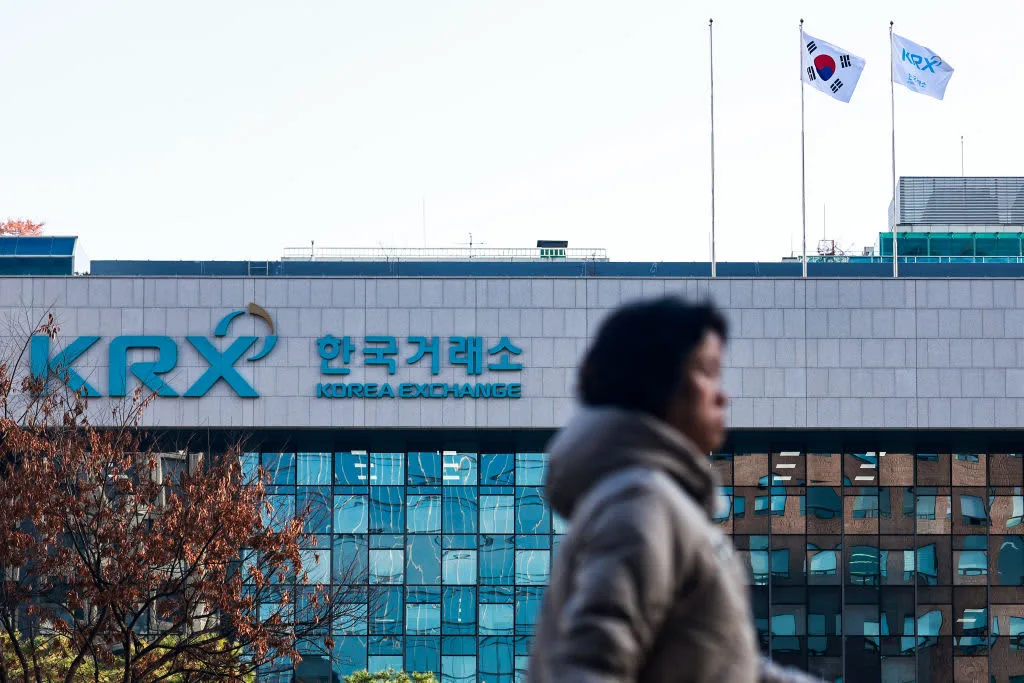
Global index provider MSCI has decided to keep South Korea classified within its Emerging Markets index, resisting pressure to elevate the country to a higher-tier designation. The decision comes at a moment when investors and South Korean officials had expressed measured optimism that Seoul might finally earn a place on MSCI's Developed Markets watchlist — a milestone that would unlock significant institutional capital flows and signal a maturing of the country's financial infrastructure.
The distinction between MSCI's Emerging and Developed Markets classifications carries substantial real-world consequences. Funds benchmarked to developed-market indexes represent trillions of dollars in global assets, and an upgrade for South Korea would likely trigger automatic reallocation by passive investment vehicles. South Korea has long been considered an anomaly among its economic peers — a high-income, technologically advanced economy that nonetheless remains classified alongside markets with far less mature regulatory and market-access frameworks.
Read more SK Hynix Dethrones Samsung as Apple Eyes Price Hikes →
Separately, MSCI opted to delay its review of Indonesia, a decision that takes on added weight given that the Southeast Asian economy faces the prospect of a downgrade rather than a promotion. A demotion from the Emerging Markets index would carry its own cascade of consequences for Jakarta, potentially triggering capital outflows at a time when emerging economies are already navigating a challenging global rate environment and currency pressures.
The dual announcements underscore the complexity of MSCI's classification methodology, which weighs not just economic size but market accessibility, foreign ownership limits, capital flow restrictions, and operational efficiency for international investors. For South Korea, the path toward a Developed Market designation remains open but unresolved — a recurring storyline in global index governance that reflects how political and structural market reforms interact with investor expectations. Continue reading at US Top News and Analysis