Markets Seek Stability as US-Iran Tensions Hold in Uneasy Limbo
Geopolitical stalemate between the US and Iran keeps markets cautious, while oil posts a weekly gain and tech stocks lead a modest rebound.
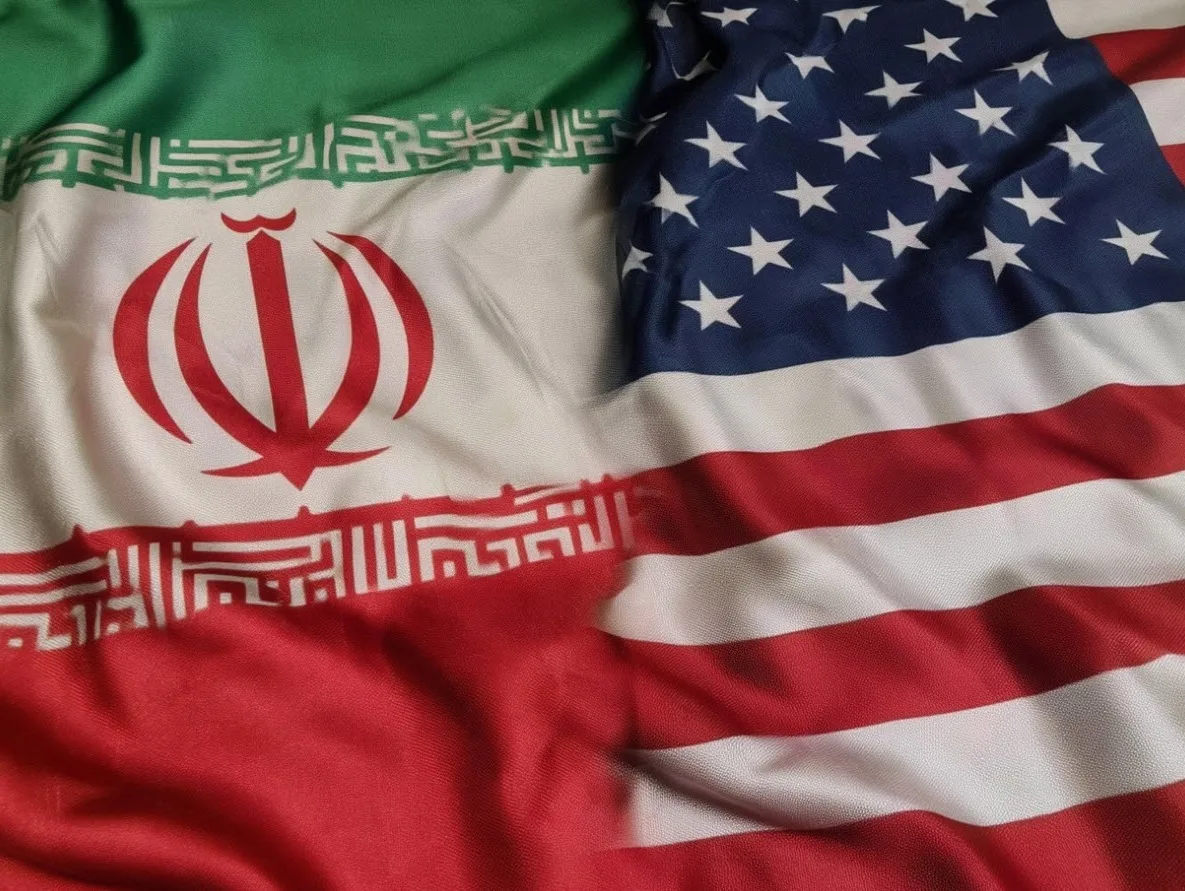
Global markets are navigating a fragile equilibrium as the US-Iran standoff settles into an uncomfortable holding pattern. President Trump declared the ceasefire deal "over," yet neither Washington nor Tehran appears willing to push the confrontation to a decisive breaking point. The resulting limbo — not peace, not open war — is proving to be the dominant force shaping investor sentiment heading into the weekend.
The Strait of Hormuz, a critical artery for global oil flows, has effectively returned to de facto closure as ship traffic stalls under the weight of regional uncertainty. That supply-side anxiety is doing real work in commodity markets: WTI crude is up roughly 0.6% on the day to around $72.50 a barrel, putting it on track to snap four consecutive weeks of losses. The week's overall gain is approaching 6%, a meaningful reversal that underscores how sensitive energy prices remain to any geopolitical signal from the Gulf region.
Read more Single-Stock ETFs Are Pushing Leverage to Its Limits →
One thread of cautious optimism emerged when a US official suggested that nuclear and uranium talks with Iran could still proceed — a notable signal that back-channel diplomacy has not entirely collapsed. For markets, the distinction between "no escalation" and "active de-escalation" matters enormously, and right now the situation sits somewhere between the two. That ambiguity keeps risk assets from rallying decisively while also preventing a full-blown flight to safety.
On Wall Street, equity markets spent the week recovering from a poor June performance. The S&P 500 is up roughly 0.8% for the week and the Nasdaq has gained about 1.4%, with technology shares driving the rebound. US futures are modestly softer heading into the European session, suggesting traders are reluctant to add risk before the weekend when geopolitical developments remain unpredictable. In currency markets, the dollar slipped against the yen, with USD/JPY falling 0.5% to 161.60 following remarks from Japan's finance minister.
The broader takeaway is that a quieter weekend could itself become a constructive data point — fewer exchanges of fire and fewer inflammatory statements would allow both sides to find an offramp without losing face. Until a clearer diplomatic path emerges, however, the market narrative will remain hostage to the next headline out of the Gulf. Continue reading at Forexlive.