Kevin Warsh's Fed Agenda May Not Match Trump's Rate-Cut Hopes
Trump reportedly favors Kevin Warsh as Fed chief, but Warsh's hawkish signals suggest a policy path at odds with the president's wishes.
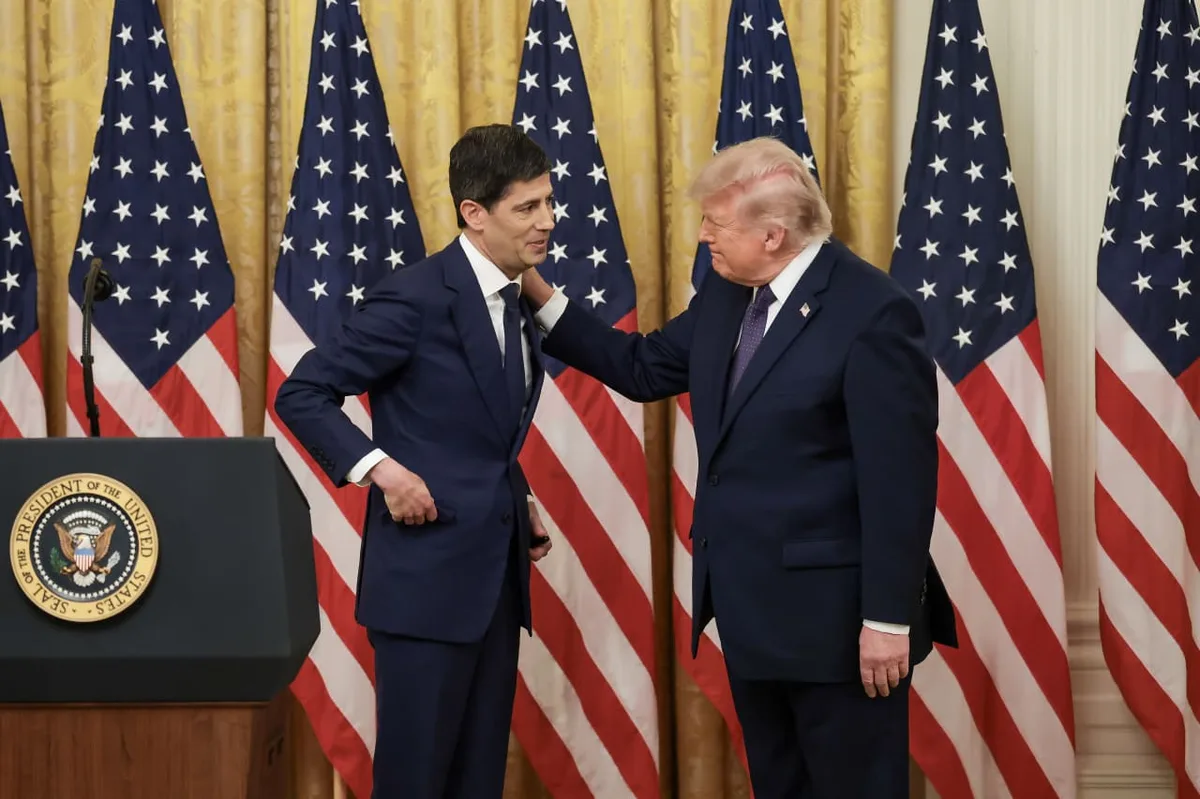
When a president selects a central bank leader, the implicit expectation is alignment — at least on the broad strokes of monetary policy. Donald Trump's reported preference for Kevin Warsh to lead the Federal Reserve carries that same assumption, rooted in Trump's long-standing desire for lower interest rates. But Warsh, a former Fed governor known for his hawkish instincts, appears to be signaling that his priorities would look quite different from what the White House might be hoping for.
Warsh has made clear that fighting inflation and preserving the Fed's institutional credibility would be central to his approach. That framing is analytically significant: a Fed chair focused on price stability above all else is far less likely to move quickly toward rate cuts, regardless of political pressure. Historically, hawkish Fed leadership tends to keep borrowing costs elevated for longer, which ripples through mortgage rates, auto loans, credit cards, and business investment in ways that can dampen near-term economic activity.
Read more Which Fathers Are the World's Most Involved — and Why It Matters →
For ordinary Americans, the stakes of this leadership dynamic are concrete. If Warsh takes the helm and holds rates higher than markets currently anticipate, consumers carrying variable-rate debt would feel the pinch most acutely. Housing affordability, already stretched thin, would remain under pressure. Businesses weighing capital expenditures would face a more expensive financing environment. The bond market, which prices expectations of future Fed action, could also reprice sharply if a hawkish Warsh tenure becomes the consensus view.
The deeper tension here is institutional. Trump has historically been vocal about wanting the Fed to lower rates — a preference that clashed repeatedly with former Chair Jerome Powell. Choosing Warsh could reprise that conflict in a new form, with a nominee who has the intellectual credibility and policy conviction to resist White House pressure. Whether that resistance holds in practice is a question no appointment can answer in advance, but Warsh's early posture suggests he is not positioning himself as a rate-cut ally.
The coming months, as any nomination proceeds and confirmation debates unfold, will offer clearer signals about the future direction of U.S. monetary policy and what that means for household finances. Continue reading at MarketWatch.com