Kentucky Moves Against Prediction Markets in Clash With Trump Allies
Kentucky's regulatory action against prediction markets puts the red state on a collision course with Trump-aligned figures who have championed the industry.
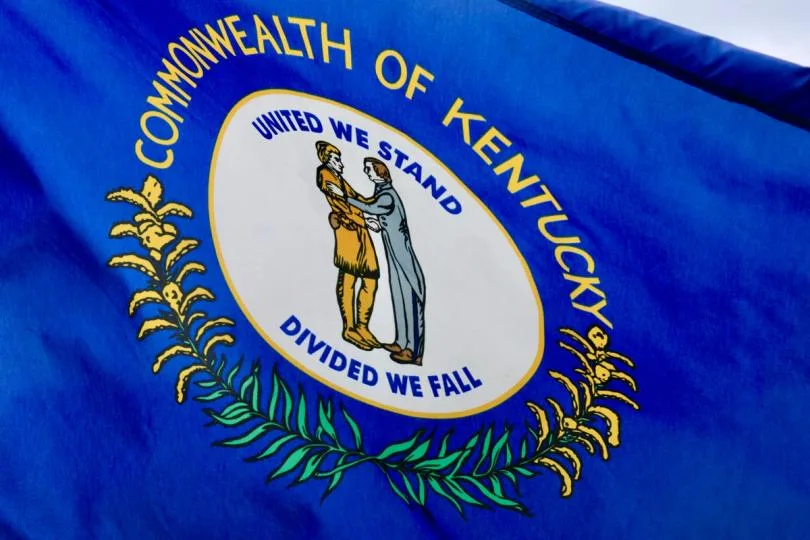
Kentucky has taken regulatory aim at prediction markets, a move that sets the traditionally Republican state on an unexpected collision course with figures closely aligned with the Trump administration who have publicly backed the emerging sector. The development underscores how quickly prediction markets have moved from the political fringe into mainstream financial and regulatory debates.
Prediction markets — platforms that allow users to bet on the outcomes of real-world events, from elections to economic indicators — have gained significant visibility in recent cycles, partly due to their perceived accuracy in forecasting political outcomes. Their rise has attracted both enthusiastic supporters who see them as efficient information aggregators and skeptics who view them as little more than gambling operations dressed in financial language.
Read more Gambling Industry Pushes Senate to Limit CFTC Power Over Prediction Markets →
The tension here is ideological as much as regulatory. For a red state to challenge an industry that has found champions within Trump's orbit places Kentucky officials in an awkward political position, potentially forcing a public reckoning over where the Republican coalition actually stands on deregulation versus consumer protection when real money is involved.
The broader stakes extend well beyond Kentucky's borders. Regulatory moves by individual states can create a patchwork legal environment that either stifles or inadvertently legitimizes prediction markets depending on how federal authorities ultimately respond. If the Trump administration's allies push back against Kentucky's position, it could accelerate pressure for a unified federal framework — one that either curtails or formally blesses these platforms nationwide.
The outcome of this standoff may ultimately reveal whether the current political moment's enthusiasm for deregulation has firm limits when state-level officials decide to draw their own lines. Continue reading at CoinDesk.