Iran-US Conflict Escalates as Hormuz Closes and Gulf States Hit
Iran extended strikes to Qatar and the UAE while the US hit over 300 Iranian targets, reigniting fears of a broader Gulf war and oil supply disruption.
A four-month conflict between the United States and Iran lurched into dangerous new territory over the weekend, with Tehran broadening its missile and drone campaign to Gulf states that had largely avoided attack and again declaring the Strait of Hormuz closed to unauthorized shipping. The expansion of strikes to Qatar — itself a venue for ceasefire diplomacy — and the United Arab Emirates marks a qualitative shift in Iran's willingness to risk confrontation with American-aligned partners that had previously been treated as off-limits.
US Central Command reported striking more than 300 Iranian military targets across three consecutive nights, including 140 targets on Saturday alone. American forces also destroyed Iranian missile systems, air defense installations, and IRGC speedboats positioned near the strait, according to Axios citing a senior US official. The scale and pace of those strikes suggests Washington is attempting to degrade Iran's capacity to threaten the waterway, through which roughly a fifth of the world's seaborne oil flows.
Read more Three Stocks Wall Street Analysts Back for Long-Term Gains →
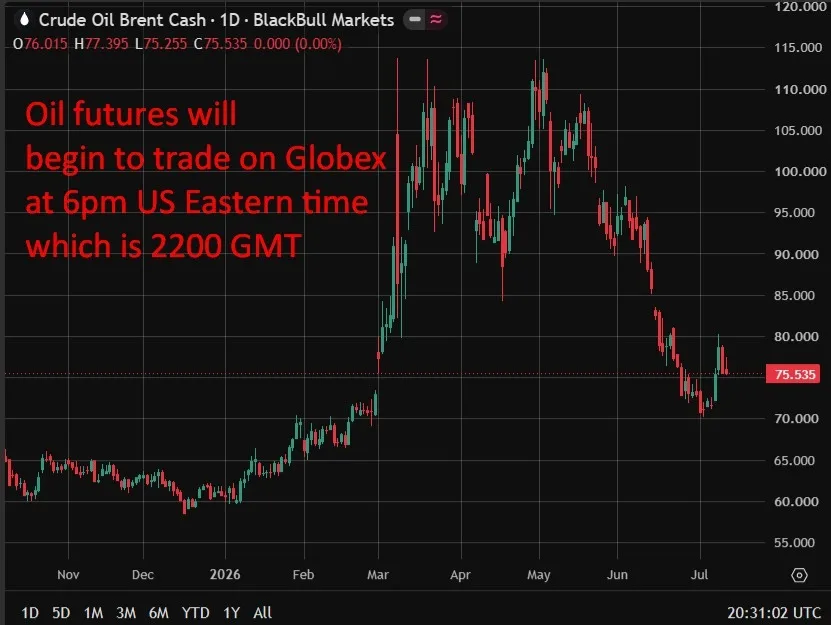
For energy markets, the weekend's events carry multiple reinforcing price signals. Iran's renewed closure declaration, even if the US insists a southern corridor remains navigable, will immediately pressure benchmark crude prices higher and push war-risk insurance premiums to new highs. The simultaneous revocation of the licence permitting Iranian crude exports tightens available global supply, adding a further bullish layer. Freight rates on Gulf tanker routes are likely to reflect the same anxieties.
Political dynamics add complexity to any price trajectory. With US midterm elections approaching, the White House faces acute sensitivity around gasoline costs, creating an incentive to keep the southern shipping corridor open through military means — an engagement that could partially cap crude upside even as it prolongs the conflict's duration. Meanwhile, the continued public absence of Iran's new supreme leader, Mojtaba Khamenei — who issued only a written statement vowing revenge for his father's killing in the February strike that began the war — leaves Tehran's command coherence an open and markets-relevant question.
Continue reading at Forexlive.