Iran Threatens Gulf Oil Flow and Civilian Infrastructure in Escalating Standoff
Iran's IRGC warns of Strait of Hormuz control and retaliatory strikes on energy infrastructure, raising stakes in a rapidly escalating confrontation.
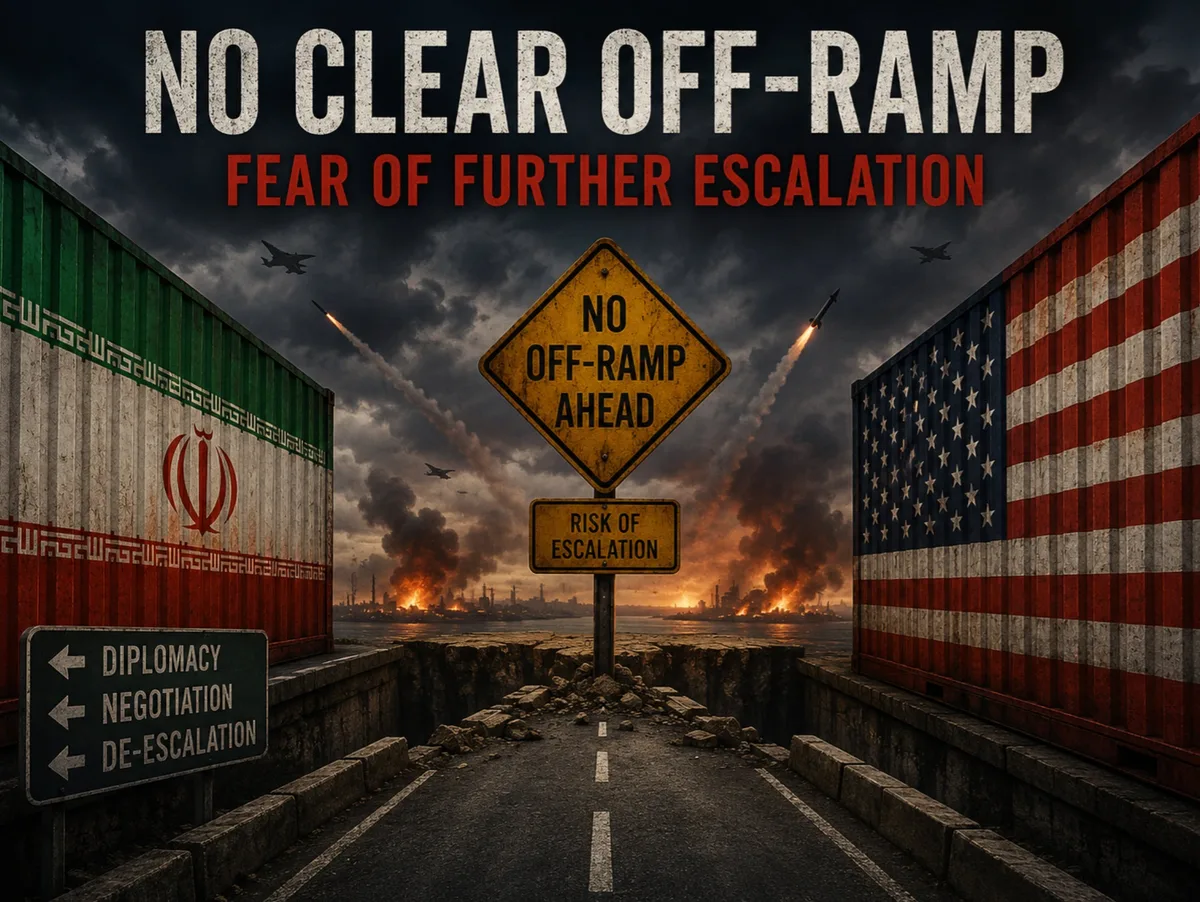
The confrontation between the United States and Iran is entering a more dangerous phase, with Tehran's threats now explicitly targeting the economic arteries of the entire Gulf region rather than narrowing to purely military objectives. Iran's Revolutionary Guard warned that any U.S. strike on Iranian bridges or power plants would trigger retaliatory cuts to electricity supplies feeding American regional allies — a deliberate expansion of the potential conflict zone into civilian infrastructure.
The maritime dimension carries perhaps the most immediate global consequence. The IRGC Navy declared effective dominion over the Strait of Hormuz, one of the world's most critical energy chokepoints through which a significant share of global oil shipments pass daily. Tehran warned commercial vessels that alternative routes would be "unsafe and dangerous" with "serious and irreparable consequences" — language calibrated to unsettle energy markets and shipping insurers alike. Iran's top military command went further, threatening to halt all Gulf oil flow and strike oil, gas, electricity, and broader economic infrastructure across the region if the U.S. follows through on its threats.
Read more EUR/USD Options at 1.1400 Could Anchor Tuesday FX Trading →
Adding a further layer of uncertainty, unconfirmed reports from Arab media cited by Iran's state-affiliated Fars news agency described multiple explosions in Kuwait — though no direct connection to the wider standoff had been established at the time of reporting. The ambiguity itself is destabilizing, illustrating how quickly localized incidents can feed into a broader escalatory narrative.
The political calculus in Washington is complicated. With gasoline prices reportedly back above $4.00 per gallon, U.S. personnel exposed across the region, and Israeli Prime Minister Netanyahu reportedly preparing to travel to Washington, pressure on President Trump to adopt a harder posture is building. Trump has faced a persistent critique — encapsulated in the "TACO" label used by detractors — that his sharpest threats ultimately go unexecuted. Whether the current moment breaks that pattern remains the central unanswered question for markets and policymakers watching the region.
What makes this moment structurally different from previous Iran crises is the explicit targeting of economic rather than purely military assets — a threshold shift that could pull global energy markets, regional governments, and commercial shipping into the conflict's orbit even before a single additional shot is fired. Continue reading at Forexlive.