Iran's IRGC Warns US Over Strait of Hormuz Interference
Iran's Revolutionary Guards Navy threatened a 'crushing response' to US involvement in Hormuz shipping routes as vessel traffic plummets 19%.
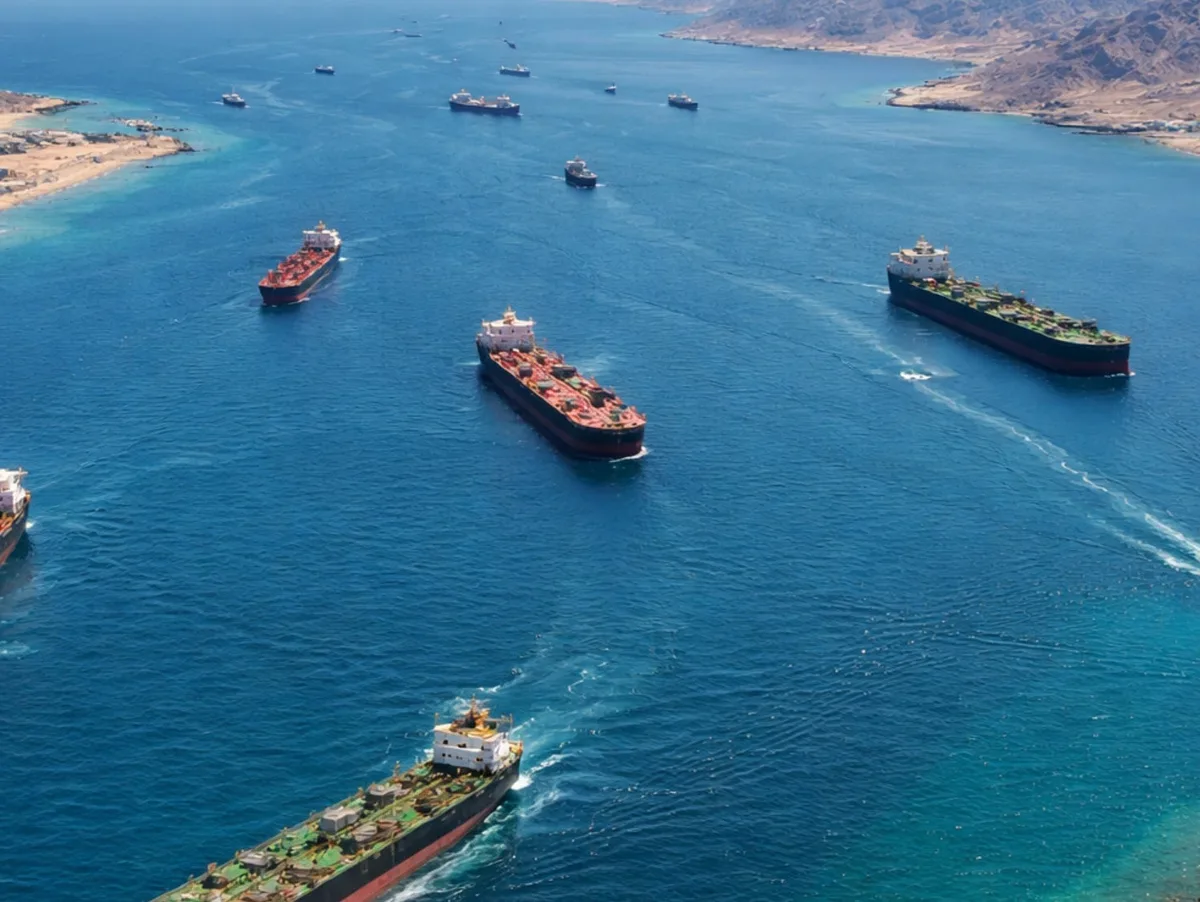
Iran's Islamic Revolutionary Guard Corps Navy issued a pointed warning to Washington this week, declaring that outside powers have no legitimate role in determining how ships navigate the Strait of Hormuz — one of the world's most critical energy chokepoints. The statement directly accused the United States of 'adventurism and interference' in the waterway and pledged what it called a 'crushing response' to any further attempts to dictate transit arrangements.
The IRGC framed the dispute in terms of sovereign authority, insisting that responsibility for managing vessel movement through the strait belongs exclusively to Iran under existing frameworks. The rhetoric signals how quickly tensions can escalate when a geopolitical flashpoint intersects with global shipping infrastructure — roughly 20% of the world's traded oil has historically flowed through the strait, making any disruption there felt far beyond the region.
Read more Arbitrum Surges 19% as Robinhood Onchain Trading Hits $568M →
The statement also carried an accusatory edge toward recent US military operations, which Iran claims have 'seriously disrupted' a fragile reopening process. According to the Guards, Iran had made tangible progress over the preceding two weeks in restoring commercial maritime traffic before those gains were reversed. The framing positions Tehran as a responsible steward of the waterway while casting Washington as the destabilizing actor — a narrative Iran has cultivated before in moments of standoff.
The numbers tell a stark story regardless of how blame is assigned. Commercial vessel crossings through the Strait of Hormuz dropped 19% in a single week, with daily transits falling from roughly 120 before the conflict to just 25. That kind of decline, if sustained, would ripple through oil markets, insurance underwriters, and energy-importing economies across Asia and Europe — underscoring why the waterway's status remains a matter of acute international concern, not merely a bilateral US-Iran dispute.
Continue reading at Forexlive.