Iran Holds Six-Day State Funeral for Ayatollah Khamenei
Iran has launched an elaborate six-day funeral for Supreme Leader Ayatollah Ali Khamenei, with ceremonies spanning Iran and Iraq before a final burial in Mashhad.
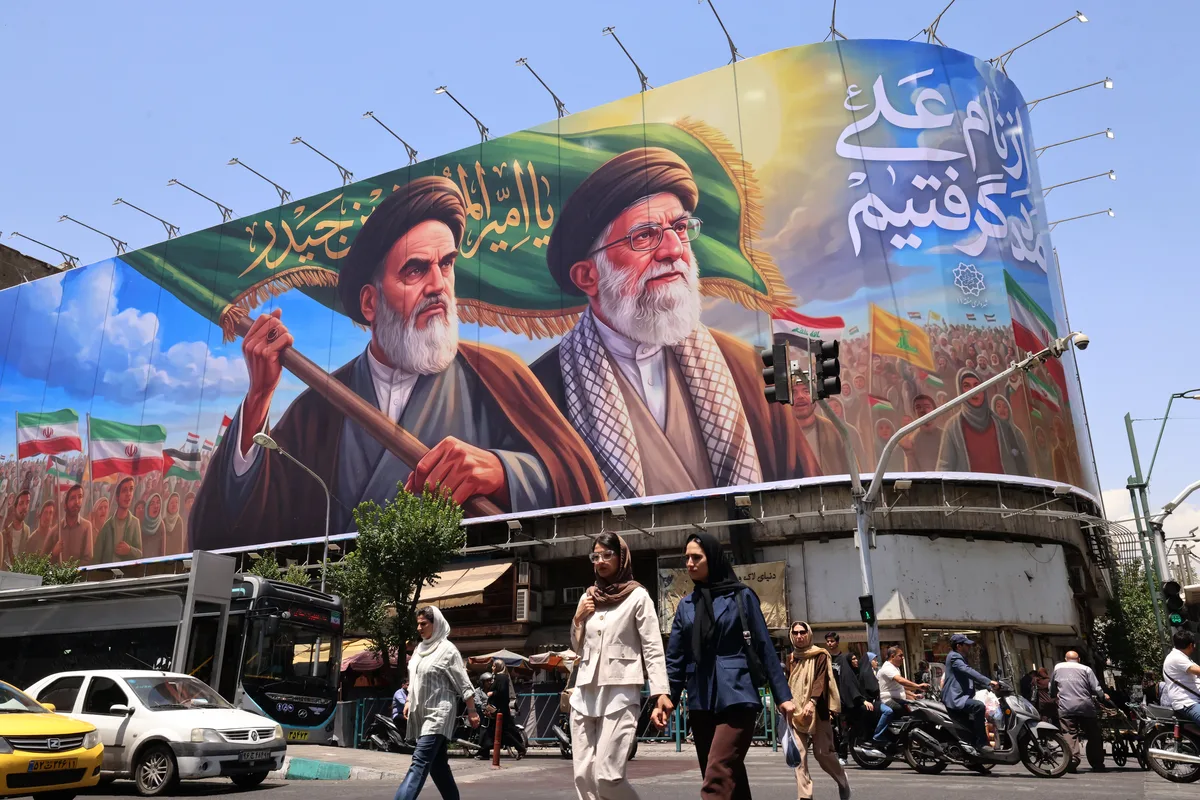
Iran has embarked on a six-day state funeral for Ayatollah Ali Khamenei, the country's longtime Supreme Leader, marking one of the most significant ceremonial events in the Islamic Republic's modern history. The elaborate mourning process reflects both the religious weight Khamenei carried as the nation's top clerical authority and the political symbolism the government is projecting through the scale of these rites.
Ceremonies are planned across multiple sites in Iran and neighboring Iraq — a geography that underscores the transnational reach of Shia Islam and Iran's enduring influence over Shia communities throughout the region. The procession is set to conclude with burial in Mashhad, a city in northeastern Iran that serves as one of the holiest sites in Shia Islam, home to the shrine of Imam Reza.
Read more Trump Turns America's 250th Celebration Into Personal Grievance →
The timing and choreography of a state funeral at this scale carry unmistakable political dimensions. For a government that derives much of its legitimacy from religious authority, the public mourning rituals are as much about consolidating continuity and projecting institutional stability as they are about honoring the deceased leader. How Iran's political establishment manages the succession of supreme leadership in the months ahead will be the more consequential story.
For international observers, the funeral offers a rare window into Iran's clerical governance structure at a moment of potential transition. Khamenei held the position of Supreme Leader for decades, and the question of who ultimately fills that role — and how — will shape Iran's domestic politics and foreign posture for years to come.
Continue reading at US Top News and Analysis.