How Renewed Iran Tensions Could Ripple Through US Markets
Beyond gas prices, Wall Street sees airlines and home builders as the biggest losers if Iran conflict escalates.
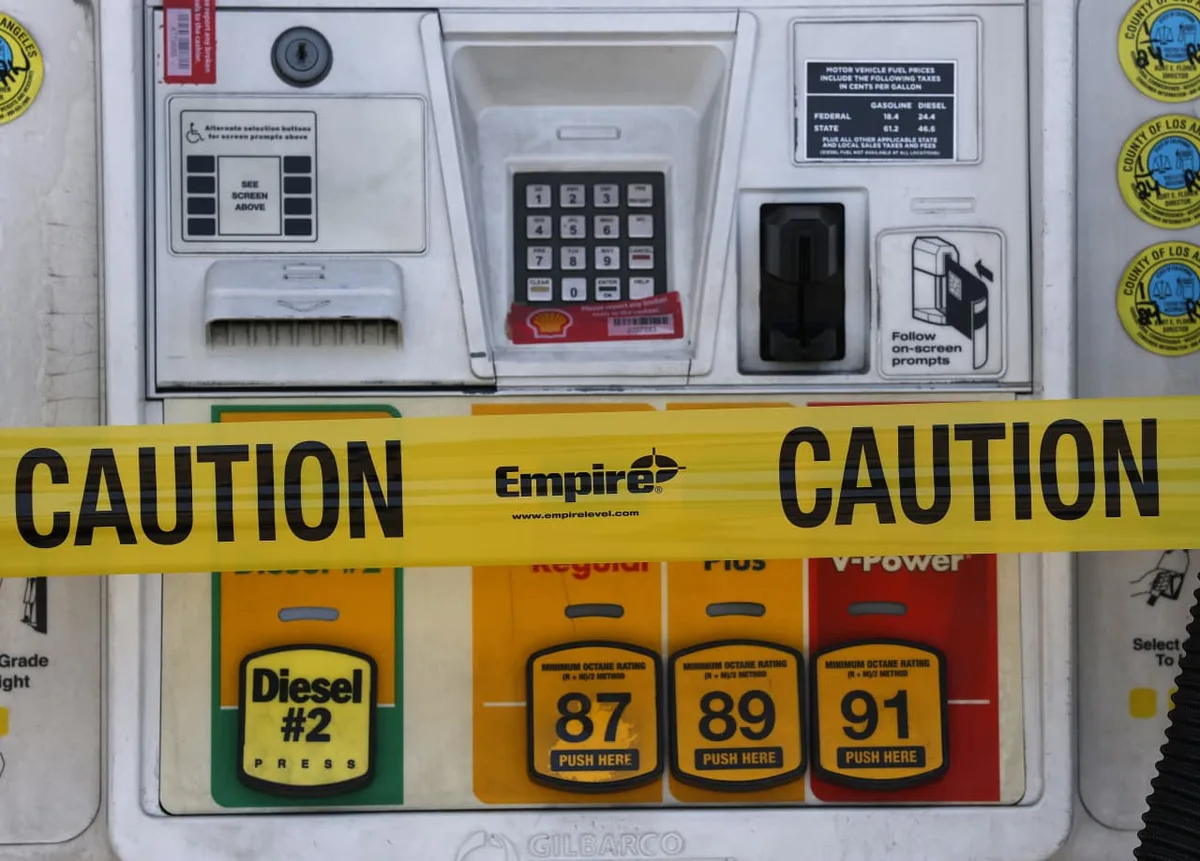
When geopolitical tensions flare in the Middle East, the reflexive market assumption is that oil prices spike and energy stocks win. But Wall Street's read on President Trump's declaration that the Iran cease-fire is over suggests a more complicated picture — one where the downstream pain lands hardest on sectors that have little to do with crude.
Airlines and home builders, according to market analysts, stand among the most exposed industries if the situation deteriorates further. For airlines, the logic is straightforward: jet fuel is one of the largest operating costs in the business, and any sustained run-up in oil prices compresses margins rapidly, particularly for carriers that haven't fully hedged their fuel exposure. A demand shock rooted in consumer uncertainty about travel could compound the pressure.
Read more BofA Says Nvidia Stock Is Undervalued, Urges Investors to Buy →
Home builders face a different but equally real vulnerability. Construction is an energy-intensive process, and rising fuel costs elevate the price of materials, transportation, and equipment operation across the entire supply chain. In a housing market already strained by elevated mortgage rates and affordability concerns, additional cost inflation could further dampen new-home demand and squeeze builder profitability at a critical moment.
Perhaps the more counterintuitive takeaway is what Wall Street does not expect: a significant windfall for oil companies. Energy producers can benefit from higher crude prices, but the gains are rarely as clean as headlines suggest — capital discipline, existing hedging contracts, and investor skepticism about boom-bust cycles all temper enthusiasm. The market's nuanced reaction reflects a maturing understanding that geopolitical risk rarely distributes its consequences evenly.
For everyday Americans, the broadest concern may not be at the pump but in the compounding effects on inflation-sensitive spending — from air travel to new housing — at a time when household budgets remain stretched. Continue reading at MarketWatch.com