House Speaker Vows Another Push for Stripped-Down Voter ID Bill
Speaker pledges a renewed effort to pass a leaner version of Trump's voter ID legislation after earlier attempts stalled in the House.
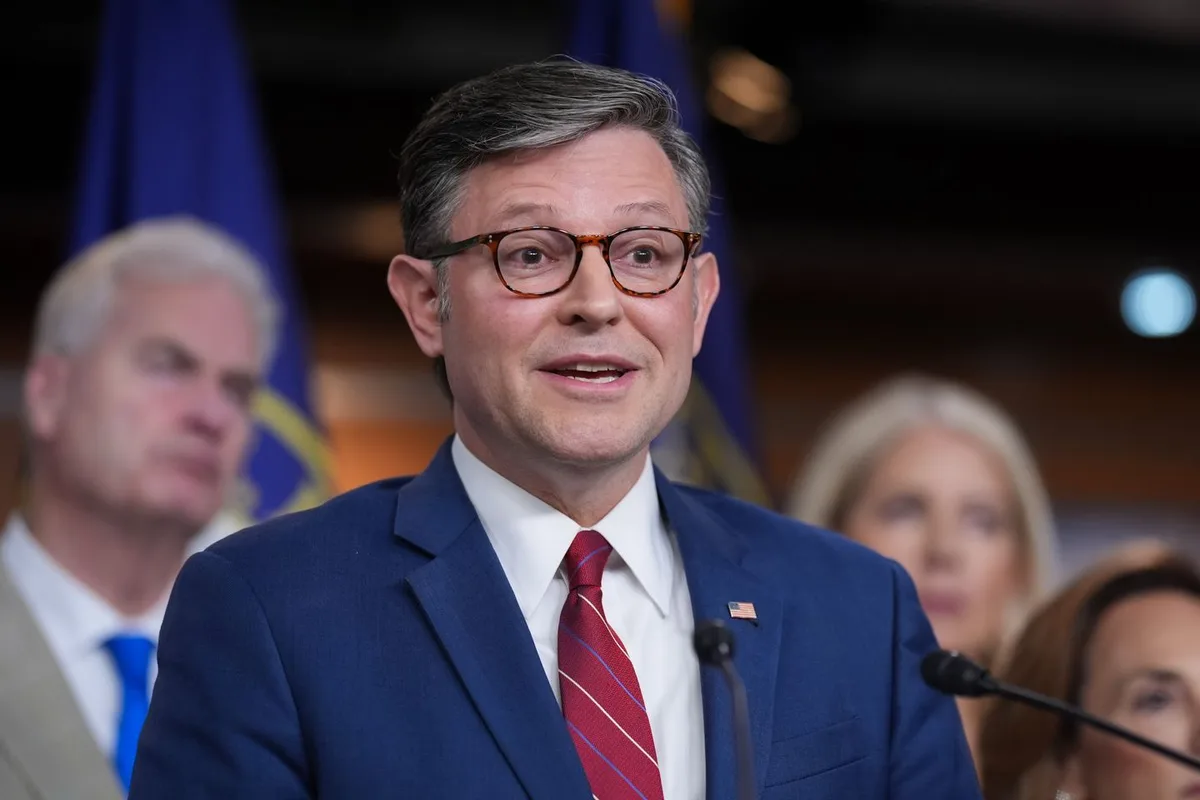
House Speaker Mike Johnson has signaled he intends to make at least one more attempt to advance a pared-back version of President Trump's voter identification legislation, according to a report from The Washington Times. The pledge comes after the bill encountered resistance within the House, underscoring the persistent difficulty of moving election-integrity measures even when one party controls the chamber.
Voter ID legislation has long been a centerpiece of Republican electoral-reform priorities, and Trump has repeatedly called for stricter identification requirements at the ballot box. A stripped-down version of such a bill would typically shed broader or more controversial provisions — such as sweeping changes to mail-in voting rules or federal election administration — in hopes of consolidating enough votes from skeptical members to clear the floor.
Read more Trump Offers to Broker Ukraine Peace Deal in Calls With Putin and Zelenskiy →
The strategic logic behind offering a leaner bill is straightforward: by narrowing the legislation's scope, leadership attempts to reduce the surface area for objections, both from moderate Republicans wary of electoral backlash and from conservatives who may view a minimalist bill as insufficient. Yet the move also carries risk — a slimmed-down measure may energize neither base supporters who wanted comprehensive reform nor swing-district members looking for political cover.
The episode reflects a recurring tension in the current House majority, where a razor-thin margin has given individual members outsized leverage to stall leadership priorities. Johnson's public commitment to "one more" attempt reads as much as a pressure tactic aimed at holdouts as it does a legislative roadmap, signaling that the Speaker is prepared to bring the issue back to the floor and force members to take a recorded vote.
Whether a no-frills voter ID bill can ultimately pass the House — and survive the Senate's 60-vote threshold — remains an open question with significant implications for the 2026 election cycle. Continue reading at washingtontimes.