House Democrat Opposes Crypto in 401(k) Retirement Accounts
A senior House Democrat poised to lead a key committee is pushing back against allowing cryptocurrency in 401(k) plans.
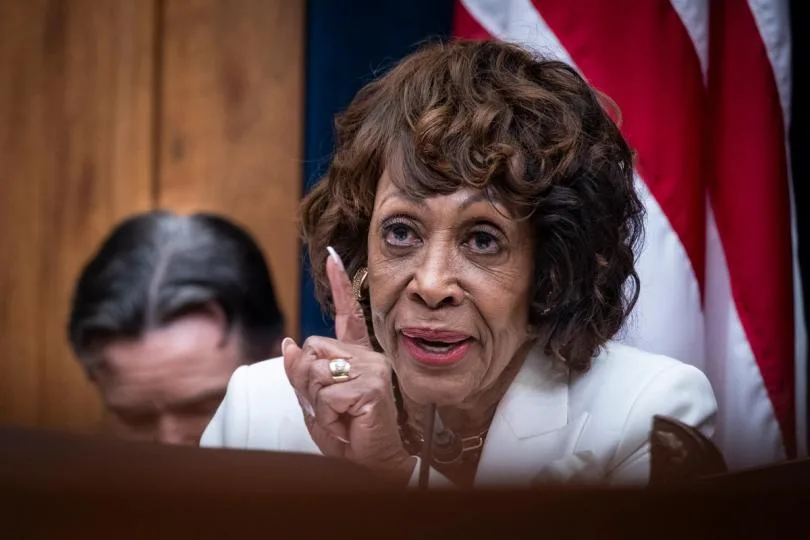
A prominent House Democrat who could soon chair an influential congressional committee has come out firmly against the inclusion of cryptocurrency in 401(k) retirement accounts, signaling that regulatory pushback on digital assets in retirement vehicles may intensify on Capitol Hill even as the broader crypto industry seeks mainstream legitimacy.
The opposition carries particular weight given the lawmaker's anticipated role leading a committee with oversight over financial and retirement policy. That positioning means the critique is not merely rhetorical — it reflects potential legislative or investigative pressure that could slow or complicate efforts by asset managers and crypto advocates to embed digital assets into employer-sponsored retirement plans.
Read more U.S. Strikes Iran After Hormuz Cargo Ship Attack →
The debate over crypto in 401(k)s has been building for years. The Department of Labor previously issued guidance cautioning plan fiduciaries about the risks of offering cryptocurrency as an investment option, citing volatility, valuation uncertainty, and the potential for harm to everyday workers whose retirement security depends on stable, long-term growth. Critics of crypto in retirement accounts argue that the asset class remains too speculative to be appropriate for funds that millions of Americans rely on for financial security in old age.
Proponents of crypto-inclusive retirement options counter that digital assets like Bitcoin represent a legitimate diversification tool, and that restricting access amounts to paternalism that limits investor choice. The tension between those two camps is likely to define a significant legislative battleground as new financial products targeting retirement savers continue to emerge from the crypto industry.
The intervention from a lawmaker in a position of real institutional authority underscores how the question of crypto's role in retirement savings has moved from a niche policy debate to a mainstream political flashpoint. Continue reading at CoinDesk.


