Hormuz Pipeline Bypasses Reduce but Don't Eliminate Iran's Leverage
Gulf oil producers are investing in pipelines that skirt the Strait of Hormuz, but analysts warn the infrastructure remains exposed to Iranian threats.
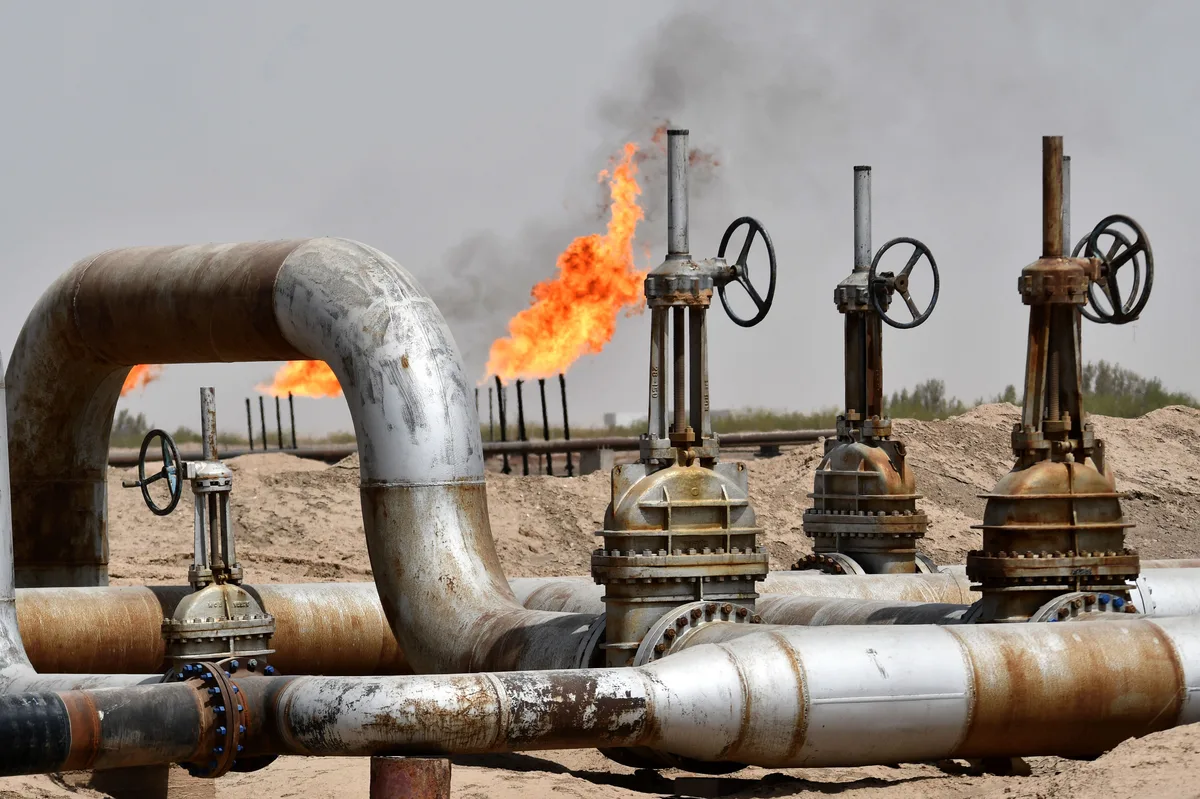
The Strait of Hormuz has long functioned as the world's most consequential oil chokepoint, with roughly a fifth of global petroleum supply transiting its narrow waters each day. The threat Iran poses to that flow — through military posturing, proxy forces, or outright blockade — has periodically rattled energy markets and animated strategic planners across the Gulf. Now, regional producers are responding with a concrete alternative: pipelines designed to move crude without ever touching the strait.
Saudi Arabia, the UAE, and other Gulf states have either built or are actively weighing pipeline corridors that redirect oil exports to terminals on the Arabian Sea or Red Sea, effectively sidestepping the geographic bottleneck that gives Tehran so much leverage. On paper, the logic is straightforward — remove the chokepoint from the equation, and Iran's ability to disrupt global energy supply diminishes substantially.
Read more Jim Cramer's July Portfolio Update: 5 Stocks to Buy Now →
Analysts, however, are not convinced the threat is so easily engineered away. The pipelines themselves represent high-value, fixed infrastructure that remains vulnerable to the same range of Iranian capabilities — missile strikes, drone attacks, and sabotage by proxy networks — that currently menace tanker traffic. A pipeline running hundreds of miles across desert terrain may, in some respects, present a softer and more exposed target than a vessel that can alter its course.
The broader strategic picture is one of risk redistribution rather than risk elimination. Bypassing the strait reduces one category of vulnerability while potentially creating others, and the political leverage Iran derives from its geographic position does not disappear simply because oil takes a different route. Markets and policymakers who view pipeline expansion as a clean solution to Gulf energy insecurity may be underestimating how adaptable and persistent that threat can be.
For investors and governments tracking Middle East energy risk, the key takeaway is nuanced: infrastructure diversification is a meaningful hedge, but it is not a firewall. Continue reading at US Top News and Analysis.