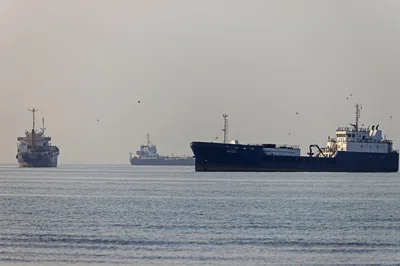
Hormuz Deal Leaves Fertilizer Shipments in Limbo Despite Oil Progress
A U.S.-Iran interim agreement may ease crude flows through the Strait of Hormuz, but fertilizer and other cargoes remain stuck in uncertainty.
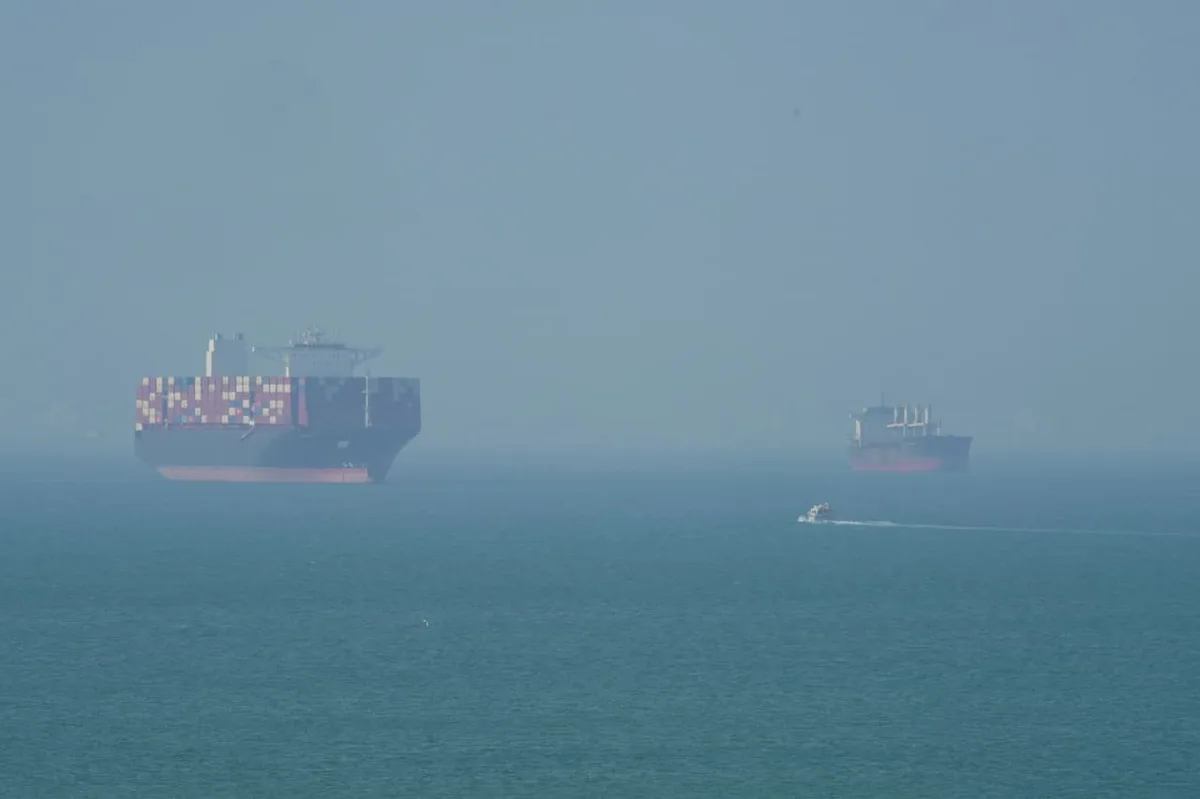
The fragile interim peace arrangement between Washington and Tehran has generated cautious optimism in energy markets, but a closer look reveals a hierarchy of priorities that should concern anyone tracking global food security. Crude oil, the headline commodity in any geopolitical dispute involving the Persian Gulf, appears positioned to resume transit through the Strait of Hormuz before other critical goods receive the same clearance.
That distinction matters enormously. The Strait of Hormuz is not merely an oil corridor — it is a vital artery for fertilizers, petrochemicals, and other commodities that flow from Gulf producers to agricultural economies worldwide. A resumption of crude shipments while fertilizer cargoes remain stranded would create a two-tiered recovery: one that reassures energy traders while quietly compounding pressures on global food supply chains that were already stretched before this episode began.
Read more Oddo BHF Asset Management Initiates Stake in ServiceNow →
The unresolved nature of the agreement raises a structural question the interim deal does not appear to answer: what mechanism, if any, exists to sequence the reopening of the strait for non-oil goods? Without a clear framework, shipping operators and commodity buyers face the same fundamental uncertainty that has plagued supply chains throughout recent geopolitical disruptions — they cannot plan, hedge, or contract with confidence.
Analytically, this situation illustrates how energy diplomacy and food security diplomacy operate on separate tracks, even when they share the same chokepoint. Policymakers and markets tend to measure success in barrels per day, leaving the fertilizer traders, grain producers, and downstream farmers to navigate ambiguity on their own. The longer that asymmetry persists, the more it risks translating into higher input costs for agriculture and, eventually, higher food prices for consumers globally.
Continue reading at MarketWatch.com