Ford Rehires 350 Veteran Engineers After AI Falls Short on Quality
Ford discovered its AI tools couldn't replace experienced engineers, prompting a strategic reversal to fix persistent quality control problems.
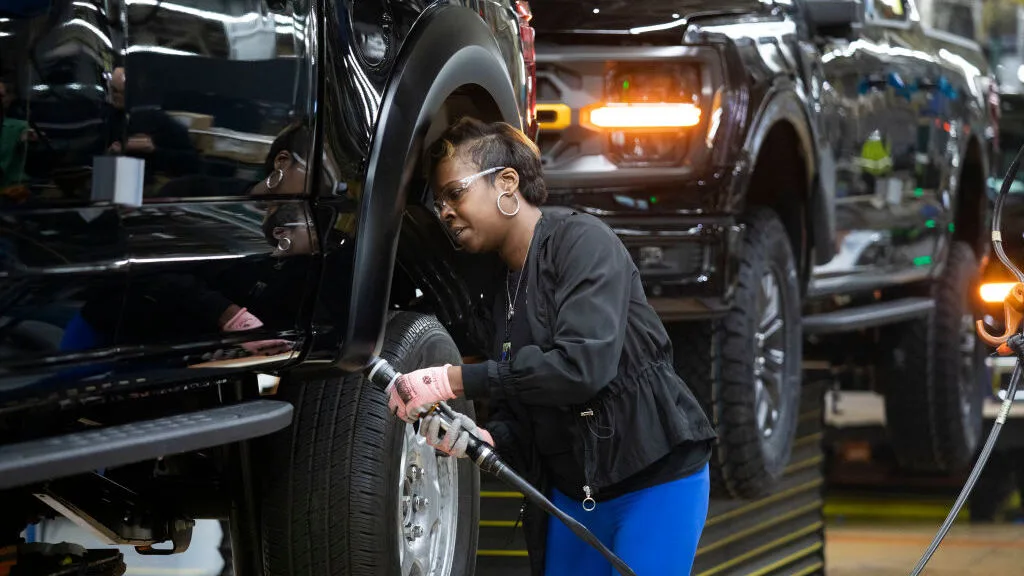
Ford Motor Company has made a notable strategic reversal, rehiring approximately 350 veteran engineers after concluding that its artificial intelligence systems lacked the nuanced judgment necessary to manage quality control at the level the automaker required. The move signals a growing recognition within major manufacturers that AI, however powerful in theory, cannot yet replicate the accumulated institutional knowledge that experienced human engineers carry.
The decision underscores a tension that has quietly built inside many large industrial companies: the appeal of automating complex engineering workflows runs headlong into the reality that quality control in automotive manufacturing involves countless edge cases, contextual decisions, and hard-won pattern recognition that current AI models struggle to encode. Ford's willingness to reverse course and absorb the cost of rehiring hundreds of specialists suggests the quality issues it faced were significant enough to demand an immediate, proven solution rather than a longer-term technological bet.
Read more Apple's Price Hike Shows Consumers Are Funding the AI Boom →
For the broader auto industry, Ford's experience functions as a cautionary data point. Automakers have invested heavily in AI-driven diagnostics, predictive maintenance, and manufacturing optimization — and many of those applications have delivered real value. But the Ford episode illustrates that deploying AI as a wholesale replacement for veteran domain expertise, particularly in high-stakes quality assurance roles, carries meaningful operational risk that can quickly outweigh the labor savings on offer.
The rehiring also arrives at a moment when Ford is under sustained pressure to improve its reliability scores and reduce costly warranty claims, making quality control a strategic priority rather than a back-office function. Bringing back engineers who already understand Ford's systems, suppliers, and historical failure modes is likely the fastest available path to measurable improvement — even if it represents a step back from the company's automation ambitions. Whether Ford eventually layers AI tools on top of this rebuilt human expertise, rather than in place of it, may be the more instructive question going forward.
Continue reading at Yahoo Finance.