Florida 'Stop WOKE Act' Blocked Again, Supreme Court Fight Looms
A Trump-appointed judge upheld a block on DeSantis' college speech law, setting the stage for a potential Supreme Court showdown.
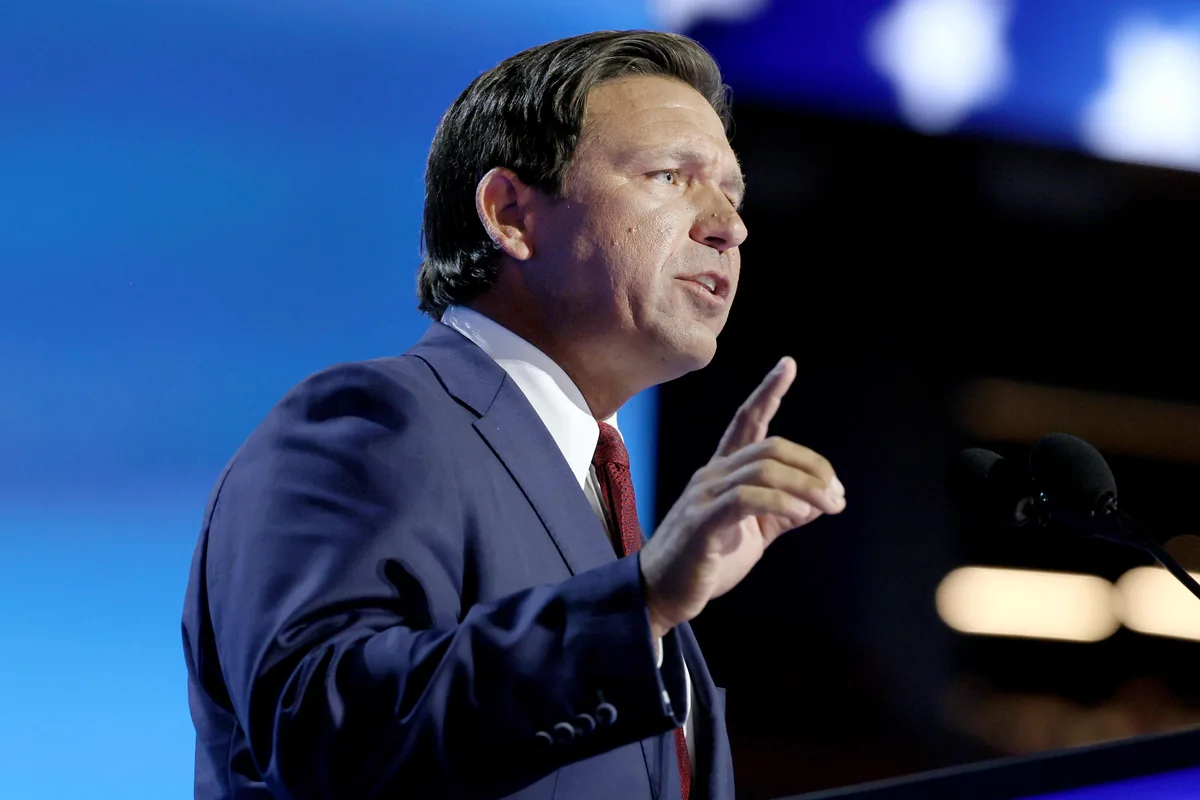
A federal appeals court has dealt another legal setback to Florida Governor Ron DeSantis' signature higher education law, keeping the so-called Stop WOKE Act from taking effect at the state's colleges and universities. The ruling is notable not only for its outcome but for its source: the judge who authored it was appointed by former President Donald Trump, undercutting any suggestion that the decision reflects partisan judicial bias against conservative legislation.
The Stop WOKE Act — formally the Individual Freedom Act — was designed to restrict certain classroom discussions around race, gender, and identity that DeSantis and Florida Republicans characterized as ideologically coercive. Supporters argued the law protected students and employees from being compelled to accept particular viewpoints. Critics, including civil liberties organizations that challenged the statute, contended it did the opposite — using the power of the state to suppress constitutionally protected speech and academic inquiry.
Read more Federal Judge Blocks DOJ Subpoena for Georgia Election Worker Names →
The appeals court's decision to sustain the injunction blocking the law's college provisions reflects a broader legal tension that has defined challenges to similar legislation nationwide: when does a government effort to regulate workplace or classroom discourse cross the line from permissible policy into First Amendment violation? Courts have repeatedly found that the Stop WOKE Act's restrictions on faculty speech at public universities raise serious constitutional concerns, a conclusion now reinforced at the appellate level.
With options at the lower court level effectively exhausted, the ruling sharpens the possibility that Florida will seek review from the U.S. Supreme Court. Such a move would put the justices in the position of deciding whether states have broad authority to shape the ideological content of public higher education — a question with profound implications for academic freedom, campus speech policy, and the future of similar laws in other Republican-led states that have pursued comparable legislative strategies.
The outcome of any Supreme Court petition remains uncertain, but the appetite in Tallahassee to press the case appears strong. Continue reading at US Top News and Analysis.