Fed Expected to Hold Rates Steady Under Kevin Warsh's Leadership
A CNBC Fed Survey finds no rate changes anticipated soon, with the Fed likely to drop its easing bias at this week's meeting.
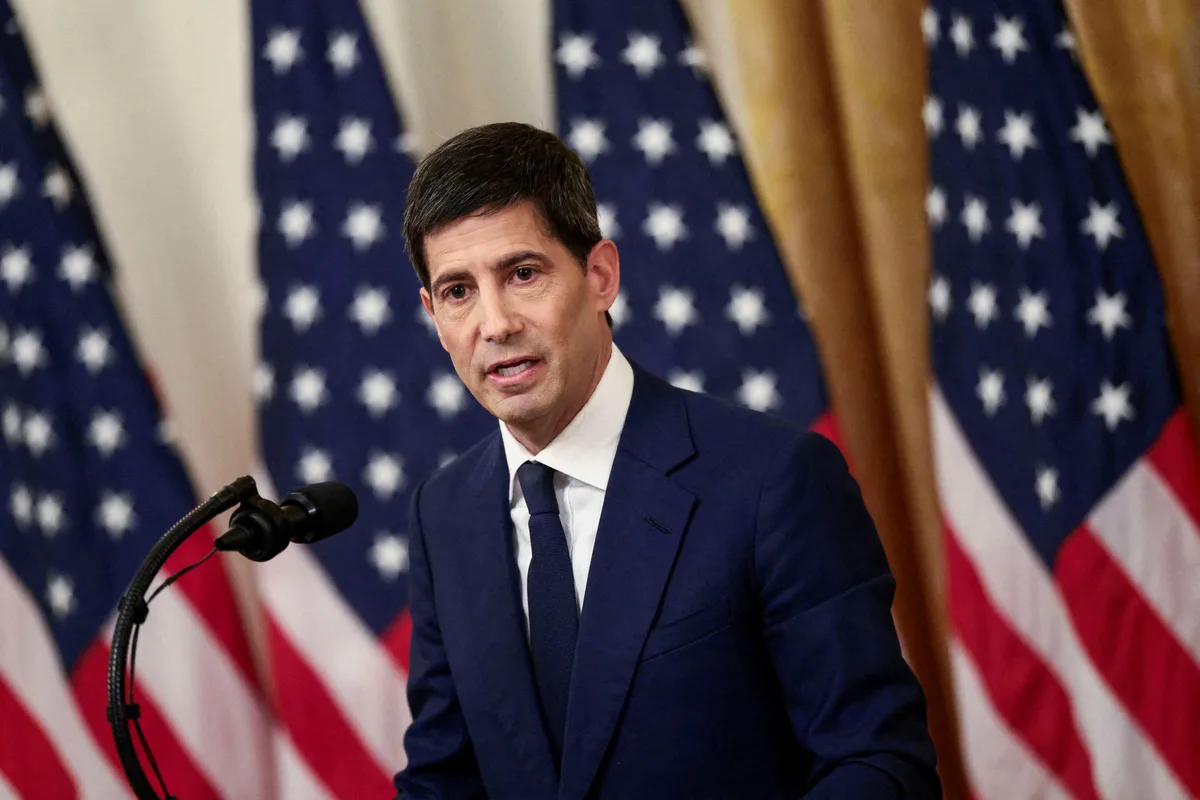
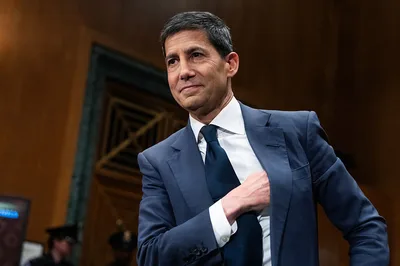
The Federal Reserve under Kevin Warsh is not expected to alter interest rates in the near term, according to a CNBC Fed Survey that captures the sentiment of market participants, economists, and financial professionals closely tracking central bank policy. The survey signals a period of prolonged stability in borrowing costs, a posture that reflects the broader uncertainty still clouding the economic outlook.
Perhaps the most consequential near-term development flagged by survey respondents is the expectation that the Fed will remove its so-called easing bias from its official policy statement at this week's meeting. That language has long served as a subtle but important signal that the Fed's next move would likely be a rate cut — its removal would mark a meaningful rhetorical pivot, suggesting policymakers are no longer leaning toward loosening financial conditions in the foreseeable future.
Read more South Street Bridge Reopening Continues to Reshape Philadelphia →
The shift in language, while not a rate action itself, carries significant weight for markets that parse every word of Fed communications for forward guidance. Removing an easing bias effectively puts rate cuts and rate hikes on more equal footing in the official narrative, giving the Fed greater flexibility to respond to whatever economic conditions emerge. For investors and borrowers alike, it narrows the window of expectation around imminent monetary relief.
This posture reflects a Fed that remains data-dependent and cautious — unwilling to commit to a directional move while inflation trajectories and labor market dynamics continue to evolve. Under Warsh, a former Fed governor known for his hawkish instincts and emphasis on institutional credibility, the central bank may signal a more disciplined, wait-and-see approach that keeps all options open without tipping its hand prematurely.
The broader implication is that anyone anticipating a swift return to accommodative policy may need to recalibrate their expectations. Continue reading at US Top News and Analysis.