Employers Hold the Line on GLP-1 Weight Loss Drug Coverage
Employer coverage of GLP-1 drugs for obesity has stalled at 36%, with many companies seeking workarounds rather than expanding benefits.
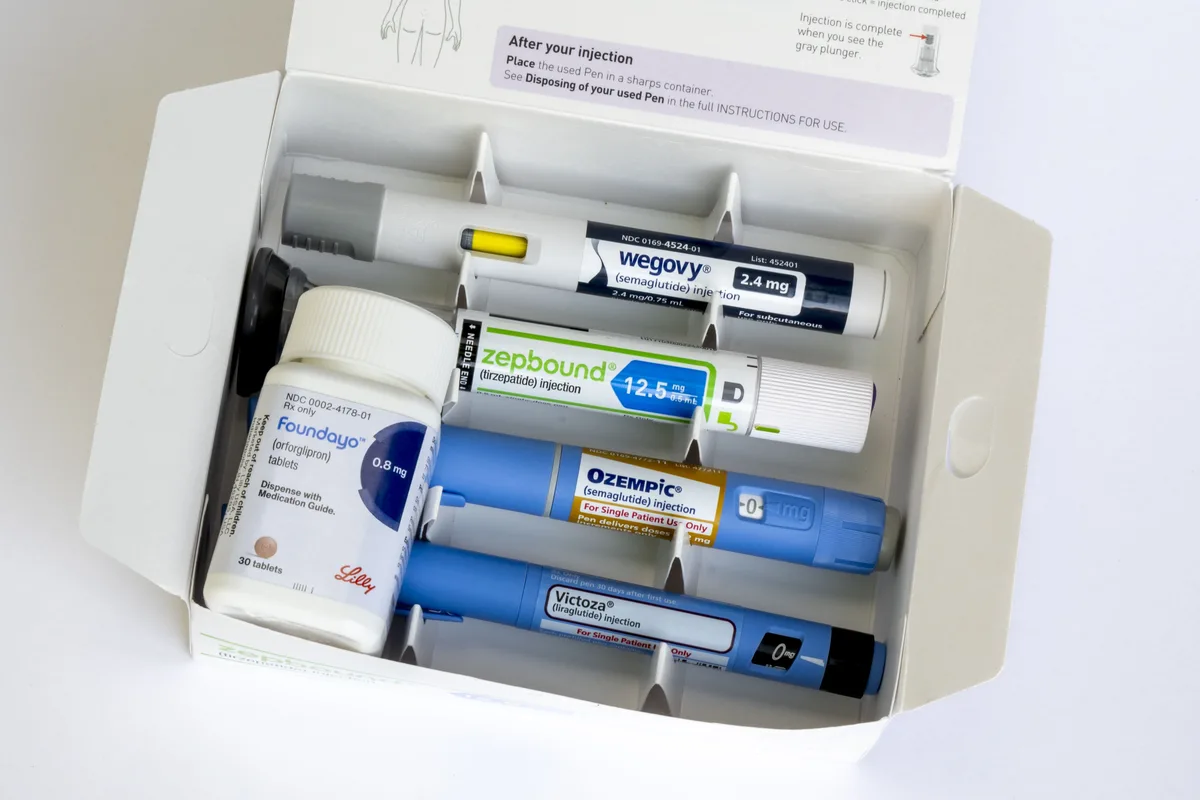
The employer health benefits landscape is showing a clear resistance to broader GLP-1 coverage, even as demand for obesity medications like Ozempic and Wegovy continues to surge. A new survey reveals that roughly 36% of employers currently cover GLP-1 drugs for both diabetes and weight loss purposes — a figure unchanged from 2025 and only marginally higher than the 34% recorded in 2024. That near-plateau signals something more deliberate than inertia: many companies are actively engineering alternatives rather than opening the door to what could become one of their largest pharmaceutical expenditures.
The cost pressure behind this stagnation is significant. GLP-1 medications carry list prices that can exceed $1,000 per month per patient, and the chronicity of obesity treatment means these are not short-term expenses. For benefits managers balancing tight healthcare budgets, covering an entire eligible workforce on these drugs could be financially destabilizing. The result is a growing ecosystem of workarounds — utilization management tools, prior authorization requirements, step-therapy protocols, and carve-outs — designed to limit access without formally refusing coverage.
Read more USPS Raises Stamp Prices Again: A Look at the Trend →
What makes this moment analytically interesting is the tension it reveals between employer self-interest and workforce health economics. Research increasingly suggests that untreated obesity drives long-term costs in cardiovascular care, diabetes management, and lost productivity. Employers who resist GLP-1 coverage today may be deferring — rather than avoiding — larger claims down the road. Yet with no federal mandate compelling obesity drug coverage and Medicare only recently beginning to reckon with the question, private employers retain wide discretion to define their own benefit structures.
The 2024-to-2025 coverage stall may ultimately prove to be a brief plateau before broader adoption, or it could harden into a durable policy posture as manufacturers and insurers negotiate pricing frameworks. Either way, the gap between clinical enthusiasm for GLP-1s and employer willingness to fund them remains one of the defining fault lines in American healthcare benefits today. Continue reading at US Top News and Analysis.