Employers Hold the Line on GLP-1 Weight Loss Drug Coverage
Employer coverage of GLP-1 drugs for obesity has stalled at 36%, with many companies finding workarounds rather than expanding benefits.
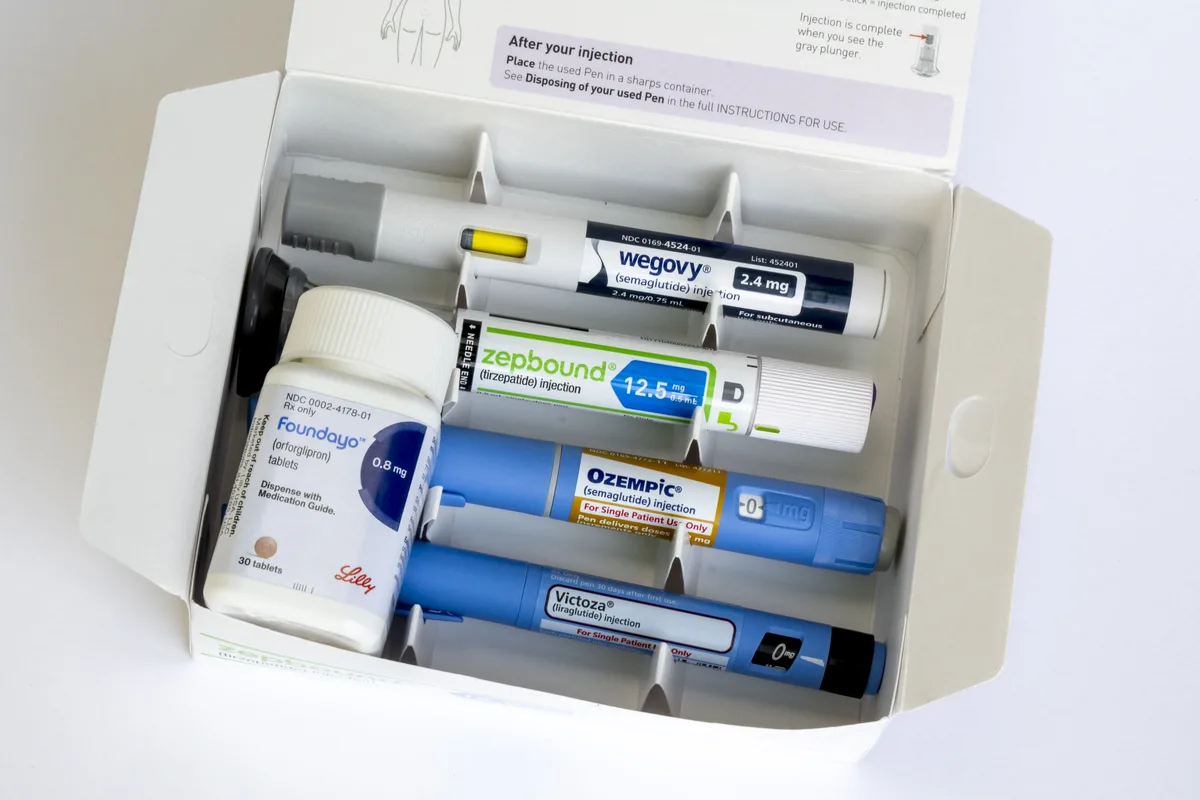
The employer health benefits landscape is showing notable resistance to the GLP-1 drug boom. Despite the explosive popularity of medications like Ozempic and Wegovy, a new survey finds that roughly 36% of employers cover GLP-1 drugs for both diabetes and weight loss — a figure unchanged from 2025 and only marginally higher than the 34% recorded in 2024. The data suggests that corporate America, after an initial wave of enthusiasm, has effectively hit a ceiling on willingness to absorb these costs.
The stagnation is striking given the cultural and clinical momentum behind GLP-1 therapies. These drugs have demonstrated meaningful outcomes not just for weight reduction but for cardiovascular risk, and patient demand has surged accordingly. Yet the cost burden remains a serious deterrent for plan sponsors, and the survey data implies that early adopters have largely settled into their positions while holdouts show little sign of moving.
Read more Delta Strips Perks From Business Class With New Bare-Bones Fares →
Rather than expanding formal coverage, many employers appear to be engineering workarounds — structuring benefit designs in ways that technically limit access or shift more financial responsibility to employees. This approach allows companies to avoid the optics of outright denial while still managing what can be thousands of dollars per patient annually in drug spend. It is a calculated hedge: responding to employee pressure without fully committing to the benefit.
The broader implication is a widening gap between clinical availability and practical access. Workers at companies that do cover GLP-1s for obesity enjoy a meaningful financial advantage over peers whose employers have held back. As list prices for these medications remain high and biosimilar competition remains years away for most, the coverage decision is consequential — shaping which employees can realistically access a drug class that many physicians now consider transformative.
Continue reading at US Top News and Analysis.