Databricks Posts 80%-Plus Sales Growth as AI Agents Lift Demand
Databricks is growing rapidly on AI agent-driven data work, but surging operational costs are squeezing profit margins.
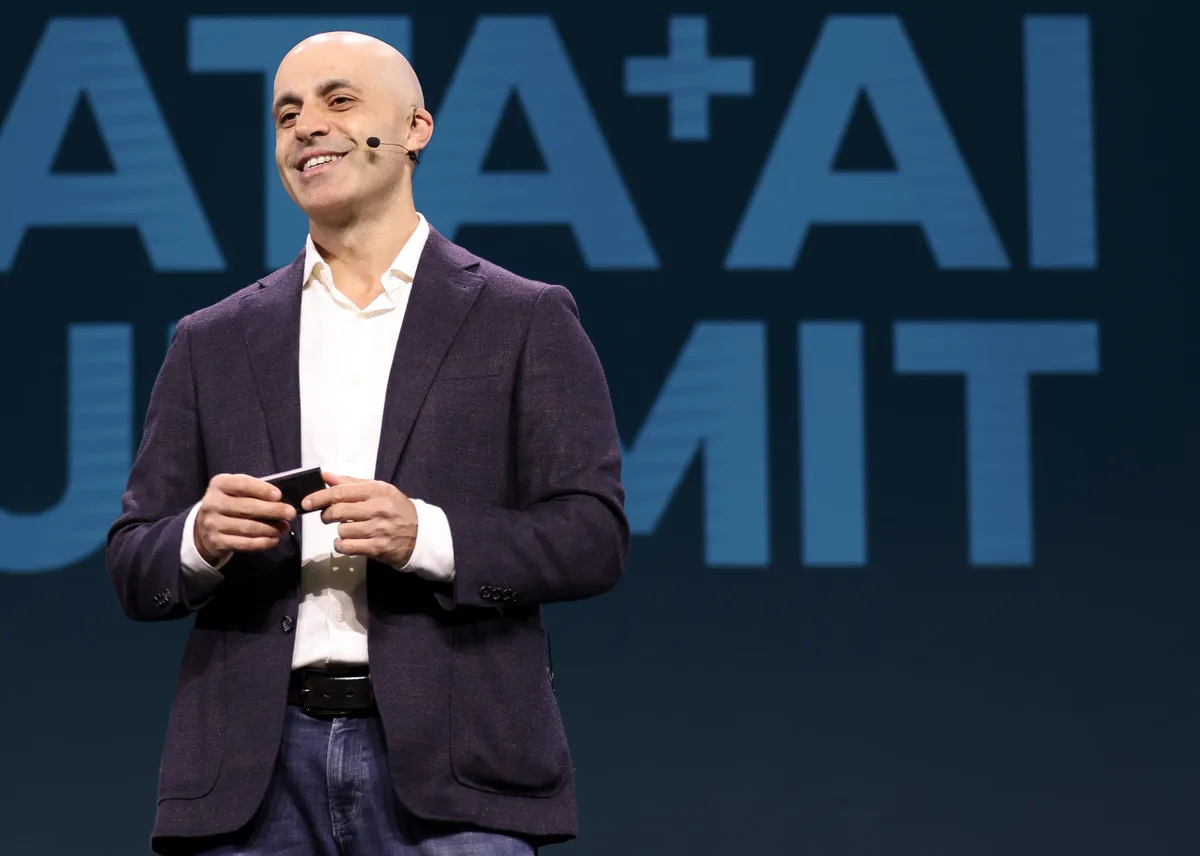
Databricks is experiencing a pronounced acceleration in revenue growth, with sales expanding at more than 80% — a pace that reflects how artificial intelligence agents are transforming the way enterprises handle data analysis. As businesses increasingly deploy AI-driven tools to automate complex analytical tasks, platforms like Databricks find themselves at the center of a structural shift in enterprise software spending.
The growth story, however, carries a meaningful caveat. The same AI agents powering that top-line surge are also generating substantial computational workloads, and those workloads cost money to run. Margins at Databricks are shrinking as the company absorbs the infrastructure expenses required to support an ever-expanding swarm of automated processes running continuously across its platform.
Read more Eli Lilly Expands Pain Pipeline With 4E Therapeutics Acquisition →
This dynamic illustrates a tension that is becoming increasingly common across the AI infrastructure sector: the more successfully a platform attracts AI-native workloads, the more it must invest in compute, storage, and networking to keep pace. Growth and profitability can pull in opposite directions during periods of rapid adoption, particularly when the underlying technology is as resource-intensive as large-scale AI inference and data processing.
For Databricks, which remains privately held and has been widely watched as a potential IPO candidate, the margin compression raises questions about the path to sustainable profitability. Investors and analysts tracking the company will likely focus on whether revenue growth at this velocity can eventually outpace cost expansion — or whether the economics of AI agent infrastructure require a fundamental rethinking of the platform's pricing model.
The broader implication is that AI adoption is not a frictionless windfall for the companies enabling it. Scaling AI agent activity demands real resources, and the companies best positioned long-term will be those that can engineer unit economics to match the ambition of their growth. Continue reading at US Top News and Analysis.