CZ Says Prison Time Left His Business Interests Intact
Binance founder Changpeng Zhao emerges from incarceration claiming his ventures suffered no lasting financial damage.
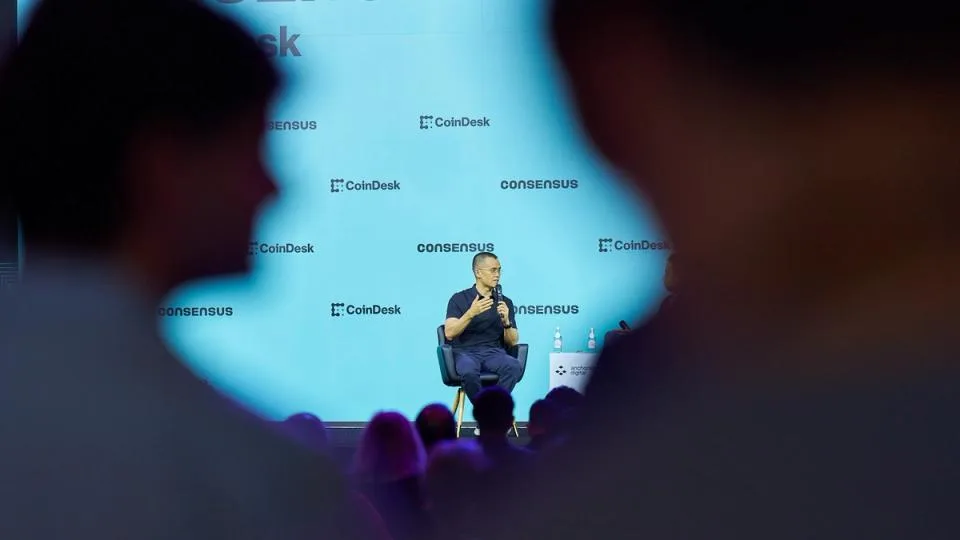
Changpeng Zhao, the billionaire founder of Binance who served a federal prison sentence following a landmark guilty plea related to anti-money-laundering violations, has indicated publicly that his time behind bars did not meaningfully set back his business interests or personal fortune. The statement, reported by CoinDesk, offers a striking coda to one of the most consequential legal cases ever brought against a figure in the cryptocurrency industry.
Zhao's case drew intense scrutiny because Binance itself agreed to pay roughly $4.3 billion in fines and penalties as part of a settlement with U.S. authorities — one of the largest corporate resolutions in financial regulatory history. That settlement allowed the exchange to continue operating under new compliance leadership, which may help explain why Zhao, despite his personal legal jeopardy, did not see his broader holdings collapse during his absence.
Read more Apple Raises Mac and iPad Prices as iPhone May Be Next →
The billionaire's post-prison posture raises broader questions about accountability in the crypto sector. Critics have long argued that financial penalties, even historic ones, function more as a cost of doing business than as a genuine deterrent when the underlying wealth is large enough. Zhao's own characterization of his incarceration as commercially harmless may reinforce that concern among regulators and consumer advocates alike.
At the same time, the episode underscores how thoroughly Binance had been institutionalized before Zhao stepped down as CEO. The exchange's continued operation through the legal storm suggests the platform had developed sufficient organizational depth to weather the departure of its founder — a maturity that, paradoxically, may have protected Zhao's residual equity stake and investment portfolio during his imprisonment.
What this means for future crypto enforcement is an open question. Regulators watching from Washington and abroad will note that the most prominent criminal conviction in crypto history did not visibly dent the defendant's billionaire status. Whether that outcome prompts sharper structural remedies in future cases remains to be seen. Continue reading at CoinDesk.