Crypto Bear Market Leaves Retail Investors Holding Losses
A deepening crypto downturn has wiped trillions in paper gains, hitting everyday investors hard while political figures profit.
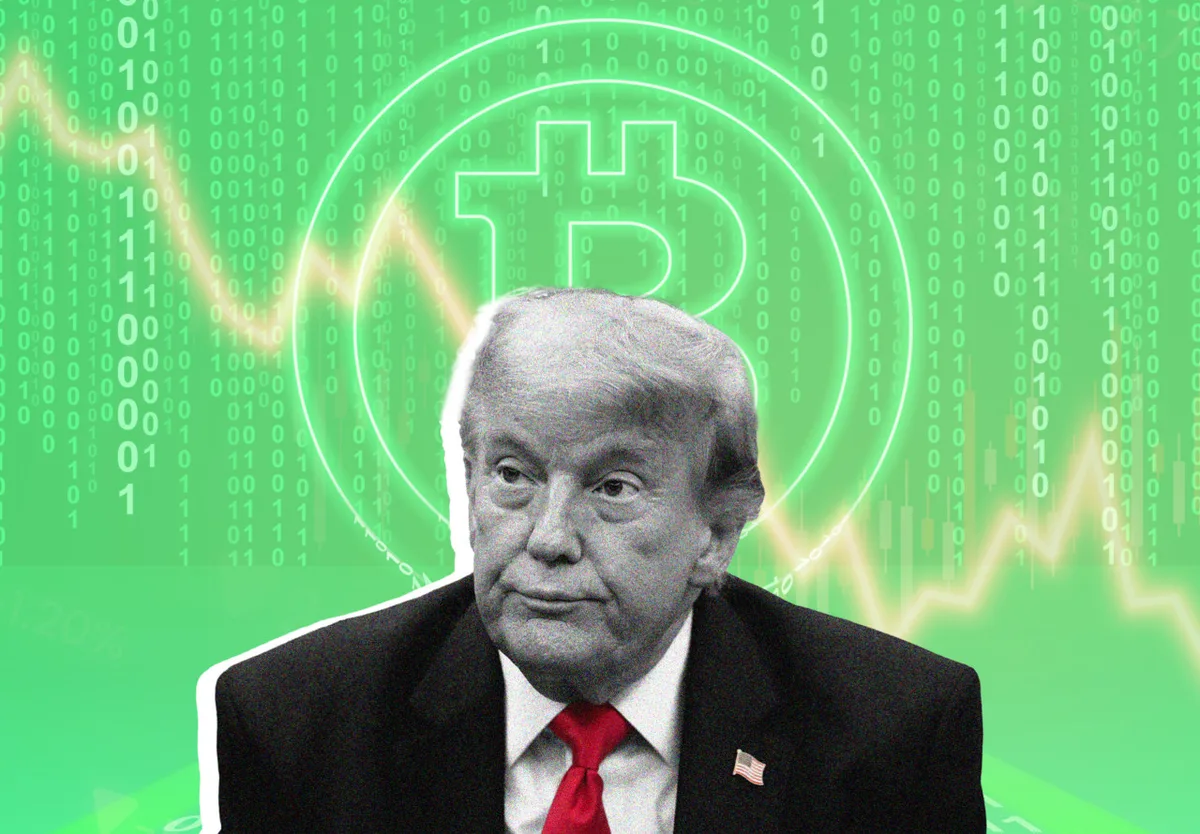
The cryptocurrency market's dramatic reversal of fortune has exposed a stark divide between well-positioned insiders and ordinary retail investors who bought in during periods of peak enthusiasm. As prices slide across major digital assets, millions of everyday holders find themselves underwater — a circumstance that raises pointed questions about who the crypto economy actually serves.
The timing is particularly striking given that politically connected figures, including those aligned with the Trump orbit, have reportedly accumulated substantial crypto holdings worth billions of dollars. When institutional or high-profile investors enter early and exit strategically, they often do so at price levels that retail participants can only watch from the wrong side of the trade.
Read more Nasdaq Selloff Shifts Investor Fear From FOMO to Loss Anxiety →
Bear markets in crypto are not new, but the scale of wealth destruction this cycle underscores a structural tension baked into digital asset markets: volatility is celebrated on the way up and largely ignored on the way down — at least in policy circles. The evaporation of trillions in paper profits affects real households, many of whom treated speculative crypto positions as a genuine path to financial mobility.
Analysts have long cautioned that crypto markets, lacking the investor protections common to traditional securities, can amplify losses for those without the liquidity or sophistication to weather prolonged downturns. For everyday investors, the current environment is a reminder that access to an asset class is not the same as access to the same advantages enjoyed by larger, better-informed players.
The political dimension adds another layer of complexity to the regulatory debate. When public figures benefit handsomely from crypto while ordinary investors absorb losses, pressure on lawmakers to establish clearer guardrails is likely to intensify. Continue reading at MarketWatch.com