Connecticut Primary Loss Signals Shifting Terrain on Social Security
Rep. John Larson, a leading Democratic advocate for expanding Social Security, lost his Connecticut congressional primary, raising questions about the issue's political future.
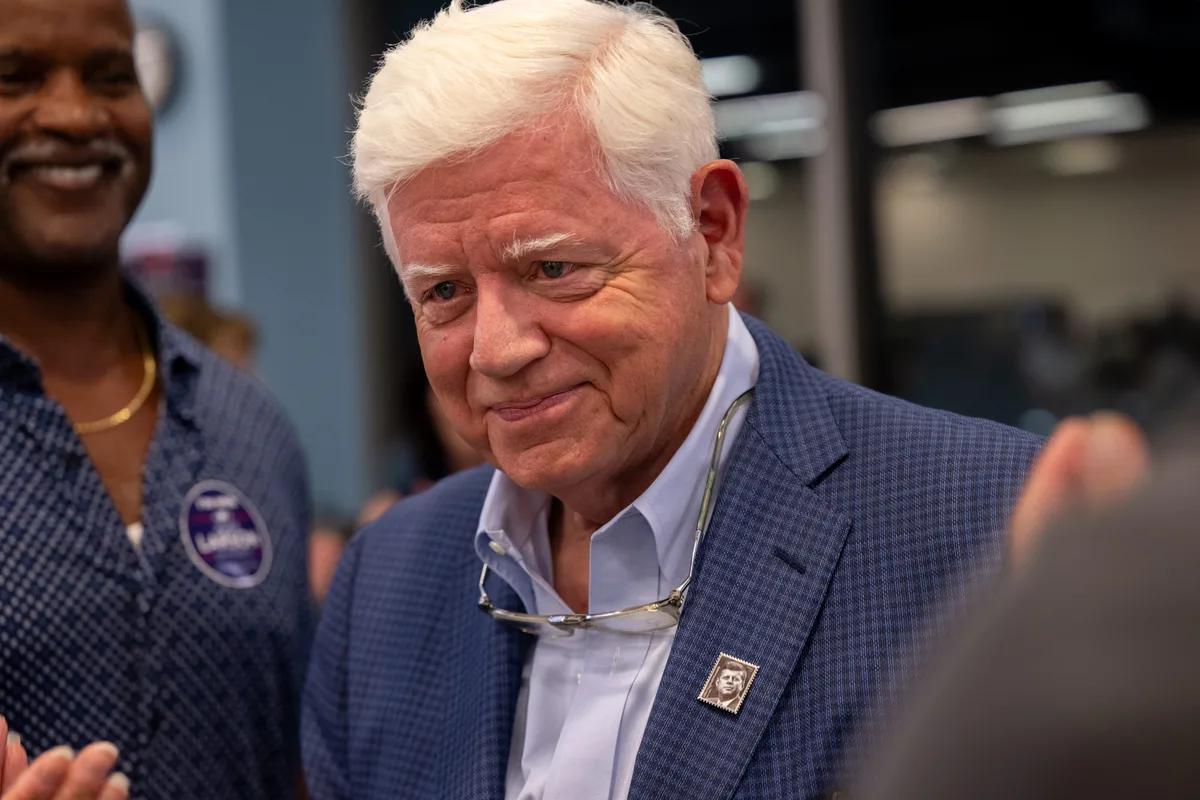
The defeat of Representative John Larson in a Connecticut Democratic congressional primary is drawing attention well beyond the state's borders — not because of the candidate himself, but because of what he represented. For years, Larson was among the most vocal champions in Congress for expanding Social Security benefits, a position that placed him at the ideological center of progressive economic policy. His ouster by Democratic primary voters complicates the conventional wisdom that expanding the program is an unambiguous political winner within the party.
Primary elections, especially in safe congressional districts, are notoriously difficult to read as national referendums. Voters weigh local grievances, incumbent tenure, campaign dynamics, and candidate quality alongside policy positions. Still, when a lawmaker whose identity is closely tied to a single major policy issue loses, analysts and advocates inevitably ask whether that issue contributed to the outcome — or at minimum, whether enthusiasm for it is softer than assumed.
Read more Trump Targets Iran's Trade Lifelines: Who Bears the Risk →
Social Security expansion has long polled well in the abstract, with broad majorities of Americans — including many Republicans — expressing support for protecting and even enhancing benefits. But translating that diffuse public sentiment into a durable electoral coalition has proven elusive. Larson's primary loss may serve as a data point, however imperfect, that advocacy on the issue does not automatically insulate an incumbent from a competitive challenge within their own party.
For Democrats navigating an increasingly complex policy landscape ahead of national elections, the Connecticut result raises a pointed question: if an incumbent who made Social Security expansion his signature cause cannot survive a primary, how does the party calibrate its messaging on the program going forward? The answer will likely depend on what, precisely, drove primary voters away — and whether the issue itself was a factor at all or merely incidental to broader dissatisfaction with the incumbent.
Continue reading at US Top News and Analysis.