Comcast's NBCUniversal Spinoff Signals M&A Hopes, Few Clear Paths
Comcast is splitting its cable and media units, but analysts see limited viable deal options for either resulting company.
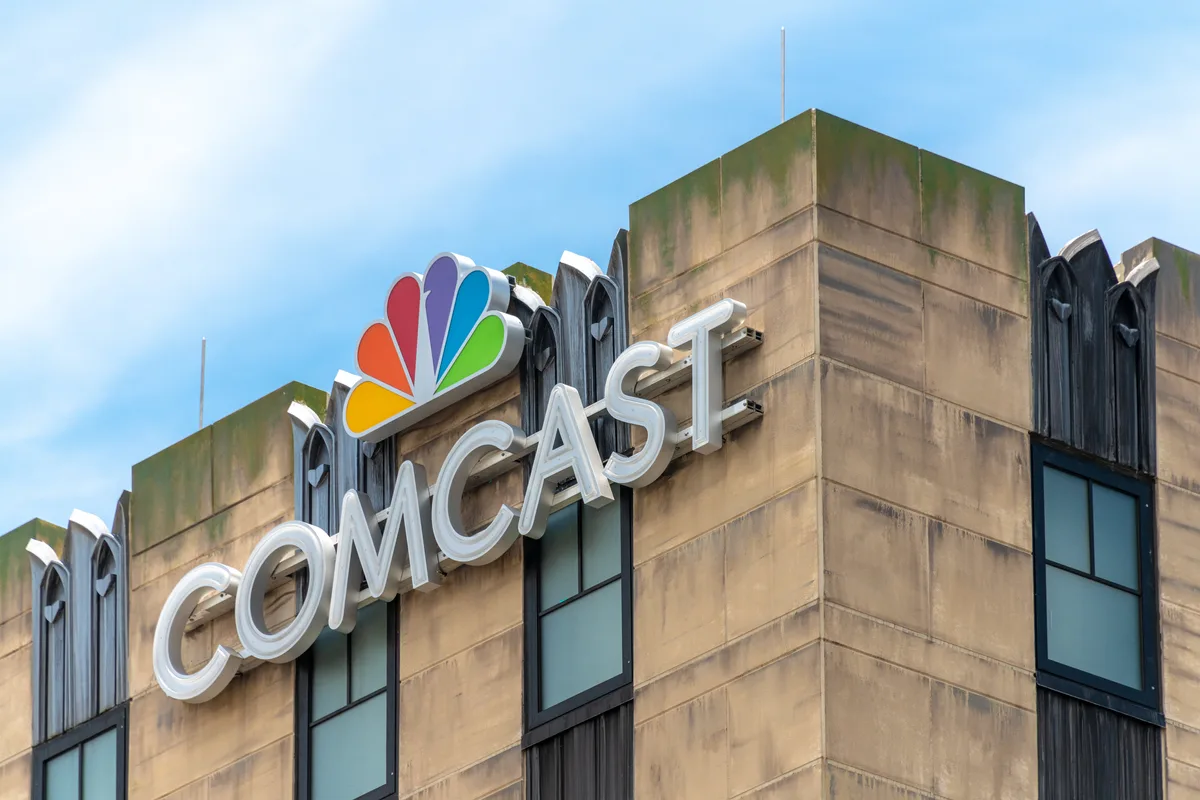
Comcast's decision to separate its cable television and NBCUniversal media divisions over the coming year represents one of the most significant structural shifts in American media in recent memory. The move acknowledges what markets have long signaled: bundling legacy cable infrastructure with streaming-era entertainment assets no longer generates the valuation premium it once did. Investors have been quietly penalizing the combined structure for years, and the spinoff is, at its core, an admission that the whole has become worth less than the sum of its parts.
The strategic logic behind the split is straightforward — liberate each business to pursue its own destiny, including potential mergers and acquisitions. A standalone cable company could theoretically attract interest from telecom giants or private equity players seeking stable, cash-generating infrastructure. Meanwhile, a free-standing NBCUniversal, home to broadcast networks, film studios, and the Peacock streaming service, could position itself as either an acquirer or an acquisition target in an industry desperate for scale.
Read more Tilray Brands Acquires HelloMD to Build Integrated Medical Cannabis Network →
Yet the optimism surrounding deal-making may be getting ahead of the reality. The media landscape is littered with cautionary tales of megamergers that destroyed value rather than created it — AT&T's ill-fated WarnerMedia adventure being the most instructive recent example. For the cable entity, growth is structurally challenged as cord-cutting accelerates and broadband competition intensifies. For NBCUniversal, the streaming wars have already claimed enormous casualties, and achieving profitability at scale remains an industry-wide struggle rather than a company-specific problem.
The deeper issue is that the pool of credible strategic partners for either entity is surprisingly shallow. Regulatory scrutiny of large media and telecom combinations has intensified under both recent administrations, making transformative deals harder to execute even when the industrial logic seems compelling. What looks like an opening move in a dealmaking chess match may ultimately be a restructuring exercise in search of a strategy — a cleaned-up balance sheet without a clear destination.
For investors and industry watchers, the Comcast breakup is worth monitoring not just for what it does, but for what it reveals about the broader state of legacy media: valuable in parts, uncertain in direction, and navigating a transition with no obvious exits. Continue reading at US Top News and Analysis.