CMA CGM Vessel Struck by Missile Near Hormuz Faces Scrapping
A CMA CGM cargo ship hit by a missile in the Strait of Hormuz may be headed for the scrapyard, underscoring the mounting toll of Red Sea and Gulf shipping disruptions.
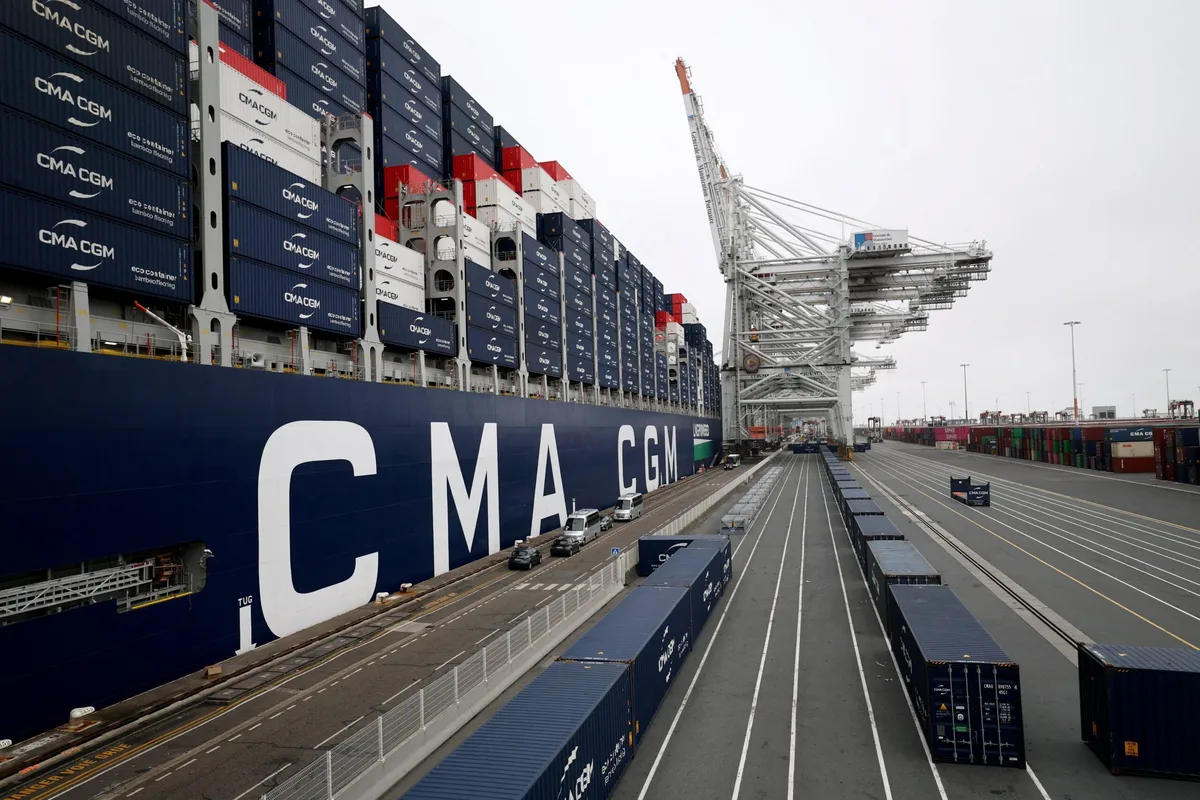
A container vessel operated by French shipping giant CMA CGM, damaged after being struck by a missile in the Strait of Hormuz, is now reportedly being evaluated for scrapping rather than repair — a development that illustrates how geopolitical conflict is imposing permanent, not merely temporary, costs on global maritime trade.
The Strait of Hormuz is one of the world's most strategically critical chokepoints, handling a significant share of global oil and liquefied natural gas flows. When commercial vessels face missile strikes in such corridors, the calculus for owners quickly shifts from repair economics to risk exposure — particularly when repair costs approach or exceed a vessel's residual market value.
Read more Why Berkshire Hathaway Holds $41 Billion in Alphabet Stock →
The reported fate of this CMA CGM ship reflects a broader pattern of attrition that has quietly reshaped the commercial shipping landscape since hostilities intensified in the Red Sea and Gulf region. Vessels that absorb direct weapons damage often suffer structural and mechanical harm severe enough to make reconstruction commercially unviable, even for large, well-capitalized carriers like CMA CGM.
For the shipping industry, each vessel lost to scrapping under these circumstances represents more than a balance-sheet write-down — it tightens effective global fleet capacity at a moment when supply chains are already navigating rerouting costs, elevated insurance premiums, and longer transit times around the Cape of Good Hope. Analysts have noted that prolonged conflict exposure could gradually harden freight rates by quietly eroding the available tonnage pool.
The incident adds to a growing ledger of commercial maritime casualties linked to regional conflict, raising pointed questions about how long major carriers can absorb these losses before structural changes in routing, insurance underwriting, or vessel deployment become unavoidable industry norms. Continue reading at gcaptain (reuters).