Carvana Moves Into New Car Sales With Stellantis Franchises
Carvana has acquired seven new vehicle franchises selling Chrysler, Dodge, Jeep and Ram brands, a shift that could disrupt traditional auto retail.
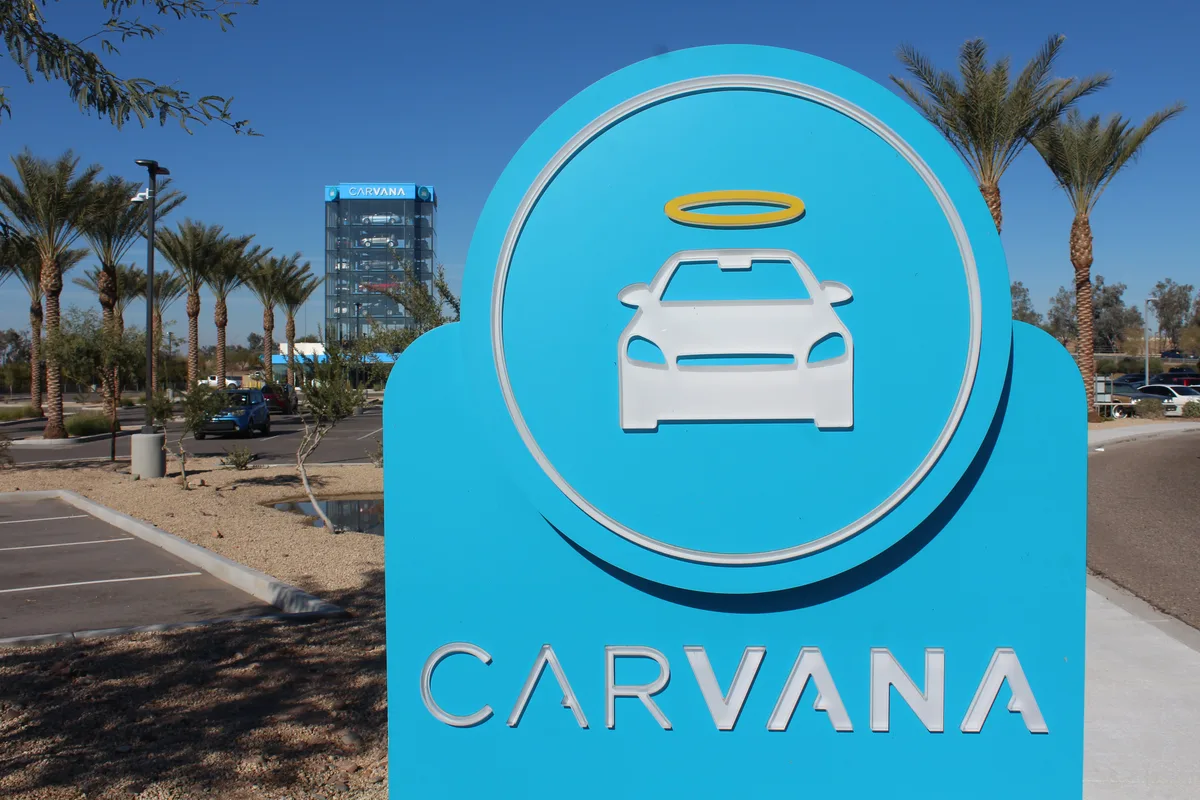
Carvana, the company that built its reputation on transforming the used-car buying experience with vending machine towers and fully digital transactions, is now making a calculated push into the new vehicle market. The online retailer has acquired seven new vehicle franchises since last year, all of them primarily aligned with Stellantis brands — Chrysler, Dodge, Jeep, and Ram — marking a significant strategic pivot for a company that long positioned itself as a pure-play used-car disruptor.
The move carries implications well beyond Carvana's own balance sheet. Traditional franchised dealerships have operated under a legally protected model for decades, and any well-capitalized digital-native entrant acquiring franchises at scale represents a structural challenge to that incumbent system. Carvana's data infrastructure, customer acquisition machinery, and frictionless financing tools were built for volume and efficiency — advantages that could prove formidable when applied to new vehicle inventory.
Read more Eli Lilly Expands Pain Pipeline With 4E Therapeutics Acquisition →
For Stellantis, the partnership with Carvana arrives at a complicated moment. The automaker has been working to stabilize dealer relationships and improve U.S. market share after a turbulent stretch of inventory and pricing disputes with its retail network. Aligning with an operator like Carvana could accelerate distribution in markets where traditional dealers have underperformed, though it may also deepen existing tensions with legacy franchise partners.
The broader question facing the U.S. automotive retail market is whether this represents an isolated opportunistic acquisition spree or the opening act of a larger consolidation play. If Carvana demonstrates that its digital model can sell new vehicles profitably at scale, it could attract imitators — or prompt established dealer groups to accelerate their own technological investments to compete. Either outcome would pressure margins and operating models across the industry.
Continue reading at US Top News and Analysis