California Bill to Cap HOA Fees Splits Democratic Lawmakers
A California proposal to limit homeowners association fee increases has exposed a rift among Democrats over housing costs and property governance.
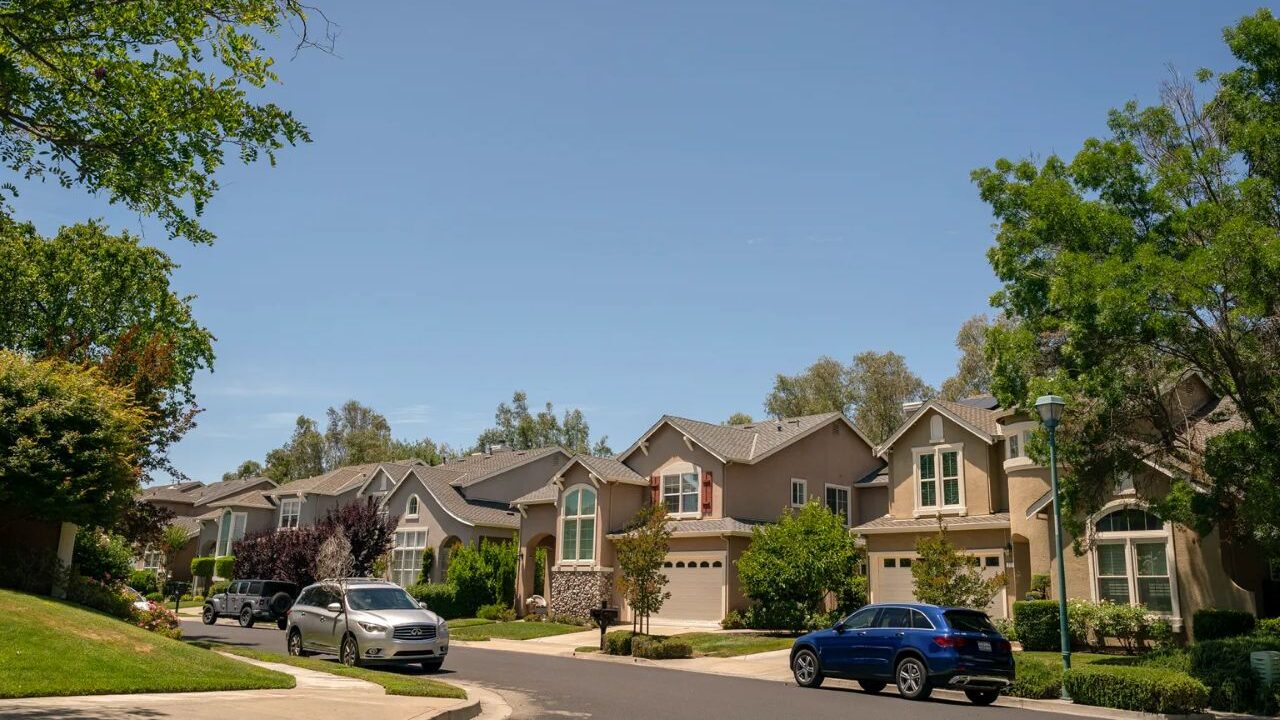
Homeowners association fees have become a growing financial pressure point for millions of Californians, and a new state bill aimed at capping those increases is now testing Democratic unity in Sacramento. The legislation represents one of the more targeted attempts to address housing affordability at the micro level — not by building more homes, but by constraining the costs that come with owning one.
HOA fees, which cover maintenance, shared amenities, and reserve funds for future repairs, have climbed sharply in recent years. Rising insurance premiums, inflation-driven contractor costs, and deferred maintenance backlogs have all pushed associations to levy higher assessments on residents. For condo owners and residents of planned developments — many of whom are middle-income homeowners — these increases can strain already tight budgets.
Read more Bots Are Dominating Ticket Markets, But Aren't the Only Problem →
The proposed California legislation would place a ceiling on how steeply HOA fees can rise within a given period, offering homeowners a degree of predictability. Supporters argue the cap is a necessary consumer protection in a state already buckling under housing costs. Critics within the Democratic caucus, however, worry that artificial limits could leave associations underfunded and physically unable to maintain buildings or replenish reserves — risks that could manifest in deferred repairs or, in worst-case scenarios, structural safety concerns.
The intraparty divide reflects a broader tension that California Democrats have long navigated: the impulse to protect residents from rising costs versus the practical reality that price controls can create downstream problems. Housing policy experts have repeatedly warned that limiting revenue for HOAs without addressing the underlying cost drivers — insurance market instability, labor shortages, aging infrastructure — may offer short-term relief at the expense of long-term building health.
How the bill moves through the legislature will signal how willing Sacramento Democrats are to embrace politically popular but structurally complicated affordability measures heading into an election cycle increasingly defined by cost-of-living anxiety. Continue reading at gvwire (calmatters).