Bolivia Lifts Blockades After State of Emergency Declared
Bolivian authorities report no active roadblocks following a state of emergency decree, signaling a tense but tentative calm.
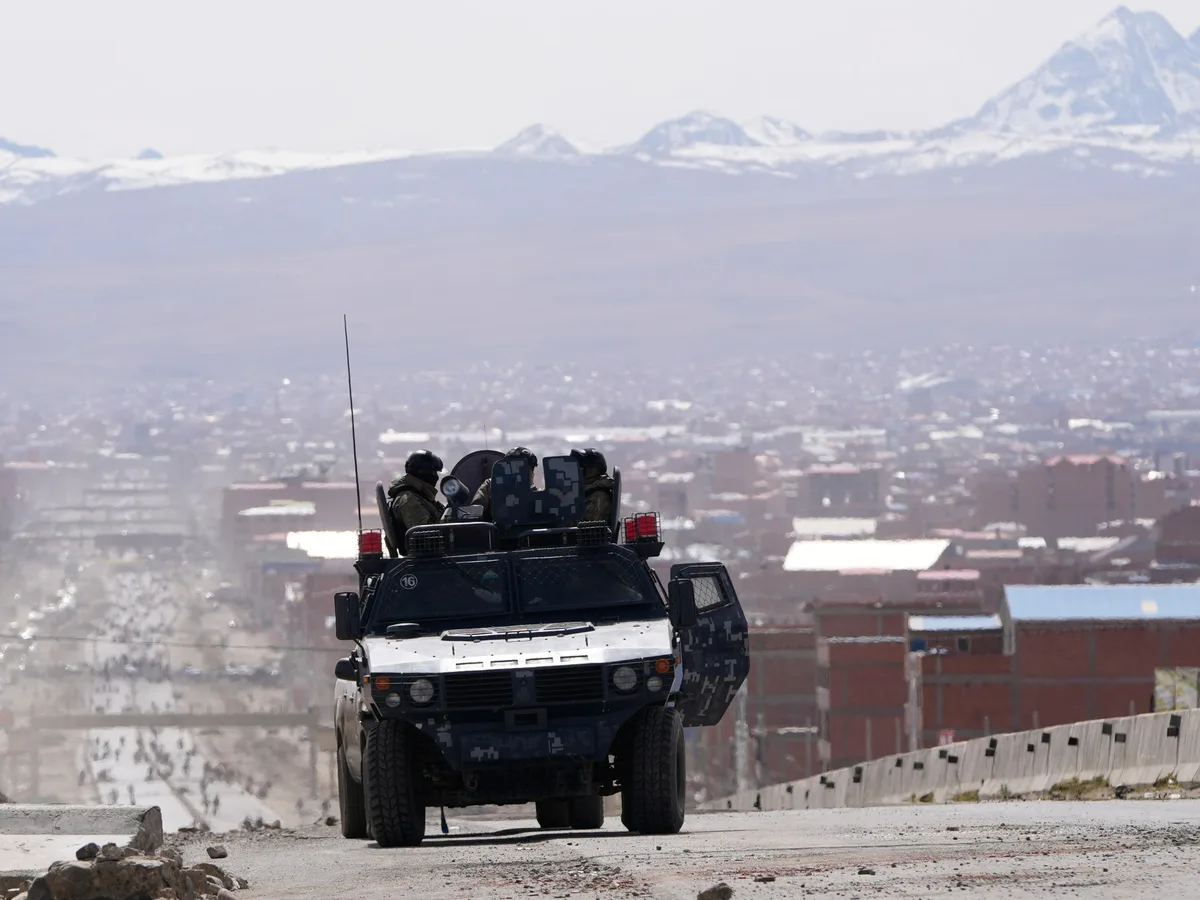
Bolivian authorities announced that no active blockades remained in place following the government's issuance of a state of emergency decree, according to reporting from Al Jazeera. The declaration appeared to have its intended short-term effect of clearing obstructions that had disrupted movement and commerce across parts of the country.
States of emergency in Latin American nations typically grant security forces expanded powers to restore order, remove physical barriers, and limit public gatherings — tools that governments reach for when standard law enforcement measures prove insufficient. Bolivia's use of such a decree signals that officials viewed the blockades as a serious enough threat to civil and economic stability to warrant extraordinary measures.
Read more Epstein in Israel Rumor Spreads Online With No Evidence →
Blockades are a long-standing form of protest leverage in Bolivia, historically employed by labor unions, Indigenous groups, and political movements to extract concessions from the central government. Their removal, while welcome to authorities, does not necessarily mean the underlying grievances have been resolved — a distinction that matters enormously for assessing whether calm will hold in the days ahead.
The broader context of Bolivian politics remains fraught, with ongoing tensions between factions tied to former president Evo Morales and the current government adding layers of instability to an already fragile civic environment. How the state of emergency framework is applied — and whether it is lifted or extended — will be a key indicator of the government's confidence in the restored order.
Continue reading at Al Jazeera.