Bitcoin Lending Moves Into a New Institutional Phase
Institutional interest in Bitcoin lending is growing, signaling a maturation of crypto credit markets beyond retail speculation.
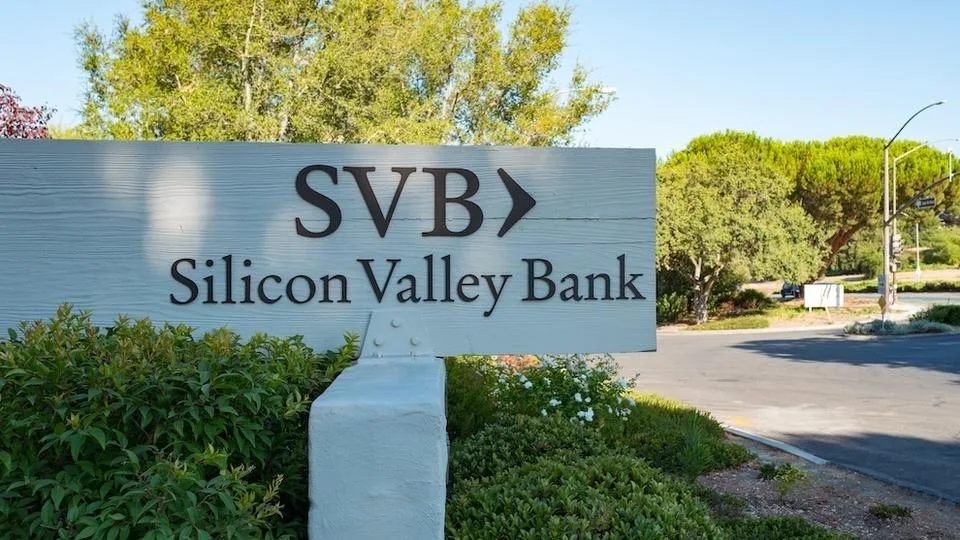
Bitcoin lending is no longer the exclusive domain of retail crypto enthusiasts and lightly regulated offshore platforms. According to reporting from CoinDesk citing perspectives tied to Silicon Valley Bank, the market is entering a distinctly institutional era — one defined by stricter underwriting standards, greater counterparty scrutiny, and a broader acceptance of digital assets as legitimate collateral within professional finance.
The shift carries meaningful implications for how Wall Street and traditional financial intermediaries engage with crypto. Institutional lending frameworks typically demand transparency around custody, creditworthiness assessments, and legal enforceability of collateral agreements — requirements that have historically been difficult to satisfy in crypto markets. The emergence of qualified custodians and clearer regulatory guidance has begun to lower those barriers, encouraging established players to participate more seriously.
Read more Korea and Iran Tensions Shape Investor Sentiment in Markets →
This evolution also arrives in the aftermath of the 2022 crypto credit collapse, which wiped out firms like Celsius, BlockFi, and Genesis and exposed the systemic risks of undercollateralized lending to retail depositors. The institutional model that appears to be taking shape emphasizes overcollateralization and bilateral agreements, a structural departure from the yield-chasing products that defined the previous cycle's excesses.
For Bitcoin specifically, its role as collateral is being reassessed. Its liquidity depth, 24-hour trading availability, and growing acceptance among asset managers make it arguably better suited to serve as loan collateral than many traditional assets — provided the legal and operational infrastructure is in place to manage volatility risk effectively.
The broader takeaway is that Bitcoin lending is undergoing the same institutionalization arc that derivatives and spot trading did in earlier cycles: slower, more deliberate, but ultimately more durable. Whether this translates into meaningful credit expansion for the crypto ecosystem will depend on regulatory clarity and the appetite of bank-affiliated lenders to absorb the reputational and compliance complexities that still accompany digital asset exposure. Continue reading at CoinDesk.