Binance Eyes 'Super App' Status as Stablecoins Drive Crypto Growth
Binance is repositioning itself beyond trading, betting that stablecoins and expanded services will power its next growth phase.
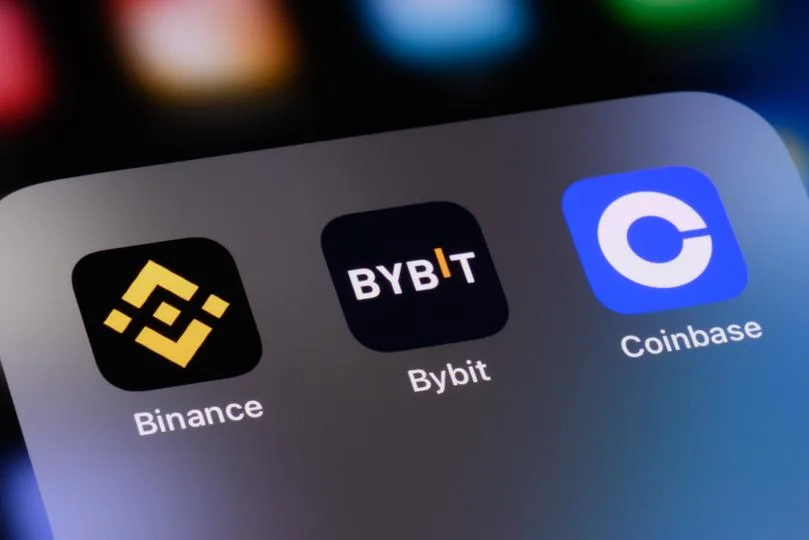
Binance, the world's largest cryptocurrency exchange by trading volume, is quietly pursuing a strategic pivot that goes well beyond matching buyers and sellers. The company is signaling ambitions to become a crypto "super app" — a single platform where users manage payments, savings, and financial services alongside traditional trading activity. The move reflects broader industry recognition that pure-play exchanges face structural limits on growth as crypto markets mature.
Stablecoins sit at the center of this strategy. Unlike volatile cryptocurrencies, dollar-pegged tokens offer everyday utility — enabling payments, cross-border remittances, and yield generation without the price swings that deter mainstream adoption. For Binance, deeper integration of stablecoins could transform the platform from a speculative venue into essential financial infrastructure, a positioning shift with significant long-term revenue implications.
Read more Goldman Sachs and JPMorgan Emerge as AI Boom Beneficiaries →
The timing is notable. Stablecoin legislation is advancing in Washington, and global regulators are increasingly treating stablecoin issuers as a distinct and regulatable category of financial institution. Binance's move to center stablecoins in its growth narrative suggests the exchange believes regulatory clarity is coming — and that it intends to be well-positioned when it arrives, rather than scrambling to adapt after the fact.
The super app concept itself borrows from fintech playbooks pioneered in Asia, where platforms like WeChat and Grab collapsed dozens of financial services into one interface. Whether Western and global crypto users will embrace a similarly consolidated experience remains an open question, but Binance's scale — hundreds of millions of registered users — gives it rare leverage to attempt the transition. Execution risk is real, but the strategic logic is coherent: own the user relationship across more financial moments, not just the trade.
Continue reading at CoinDesk.