Asia-Pacific FX Wrap: China Trade Surge, RBNZ Hawks, Oil Risk
China's exports blew past forecasts, the RBNZ signaled more rate hikes, and rising oil prices rattled gold and Fed expectations.
Asia-Pacific currency and macro markets saw a busy session on July 14, with China's June trade data delivering the most immediate jolt. Exports surged 27% year-over-year, dramatically outpacing the 18.2% consensus forecast, with AI-related demand cited as a key driver. The blowout figures signal that Chinese manufacturers are capitalizing on a global technology investment cycle even as geopolitical headwinds persist.
In New Zealand, the central bank's hawkish posture remained front and center after RBNZ Chief Economist Conway reiterated the institution's commitment to returning inflation to its 2% target. His comments reinforced market expectations for additional rate hikes and gave the New Zealand dollar a visible lift, underscoring how aggressively the RBNZ is positioning itself relative to global peers still weighing a pivot.
Read more Goldman Sachs and JPMorgan Emerge as AI Boom Beneficiaries →
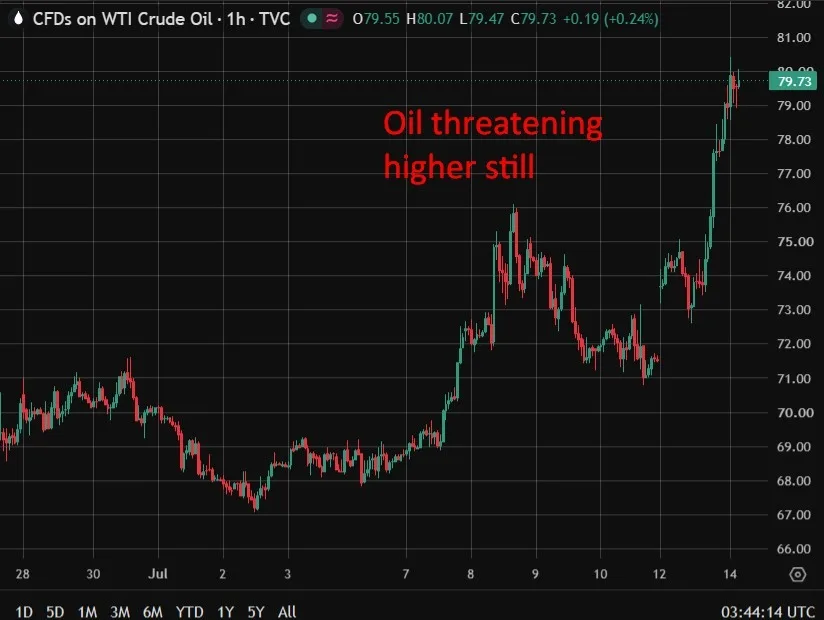
Energy markets added a layer of complexity across the region. Iranian missiles struck two UAE tankers in the Strait of Hormuz, killing one crew member, while a separate vessel was hit by a projectile off the Oman coast. The back-to-back incidents stoked fears of a sustained oil price spike — a scenario that complicates inflation trajectories for every central bank in the session, including the Fed. Gold, typically a beneficiary of geopolitical tension, actually fell to a two-week low as rising oil reinforced bets on further Fed tightening.
Elsewhere, Australian business confidence improved in June, rising to -5 from a prior -14, though analysts cautioned the survey predated the new oil price spike, limiting how much comfort policymakers can draw from it. RBA rate hikes were still described as weighing on sentiment. South Korea's central bank is widely expected to raise rates to 2.75% on Thursday, with further hikes projected before year-end. The yen briefly rallied on comments from Japan's finance minister before giving back nearly all of those gains as doubts emerged over a potential shift in GPIF investment strategy.
Continue reading at Forexlive