44 States Unite Against Prediction Markets Over Sports Betting Concerns
A broad coalition of state regulators is pushing back on prediction markets, citing concerns about unlicensed sports wagering dressed up as financial contracts.
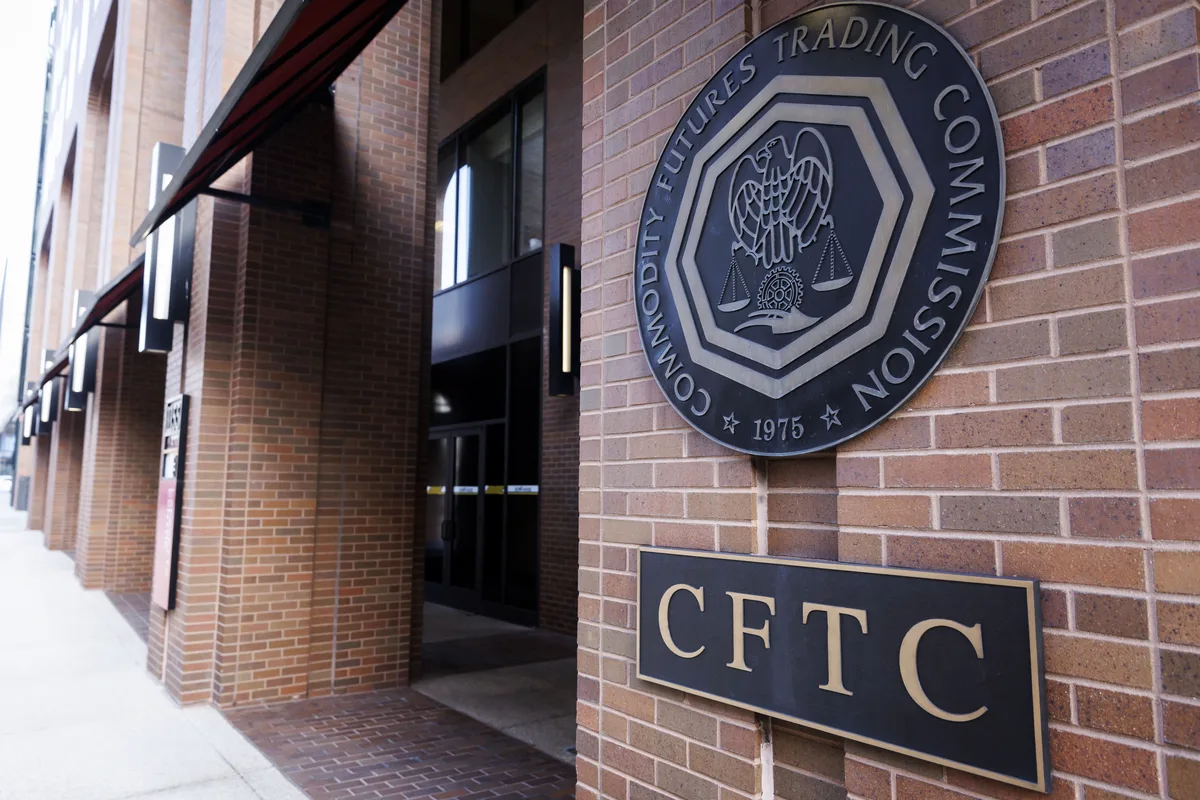
A rare display of cross-state consensus is emerging in the battle over prediction markets, with 44 states finding common ground on at least one core objection: that these platforms threaten to circumvent existing sports betting regulations. The unified position was submitted as part of a public comment period tied to a proposed federal rule that would govern how prediction markets are regulated going forward.
Prediction markets, which allow participants to bet on the outcomes of future events — including sporting contests — have grown rapidly in visibility and usage. But state gaming regulators argue that when these contracts are structured around sports results, they function in practice as sports wagers, regardless of how they are classified under federal commodities law. That distinction matters enormously, because sports betting is tightly licensed and taxed at the state level, with strict consumer protections attached.
Read more Iran Pledges Strike Halt Contingent on US Bombing Pause →
The coordinated letter was submitted during the relevant federal commission's open comment window on its first draft of a proposed regulatory framework. The sheer breadth of the coalition — spanning partisan and geographic lines — signals that this is not a regional or ideological dispute, but a structural one about jurisdictional authority. States that have built out robust legal sports betting markets have a clear financial and regulatory stake in preventing a federally permissive backdoor from undercutting their frameworks.
The deeper tension here is between federal commodities oversight, which has traditionally governed prediction markets, and state-level gaming law, which controls sports wagering. As prediction markets expand their event offerings to include sports outcomes, that jurisdictional boundary is becoming increasingly contested. How the federal commission ultimately responds to this multi-state pushback could shape the competitive and legal landscape for both industries for years to come.
Continue reading at US Top News and Analysis